UK naval vessel shoots down missiles and drones near British shores
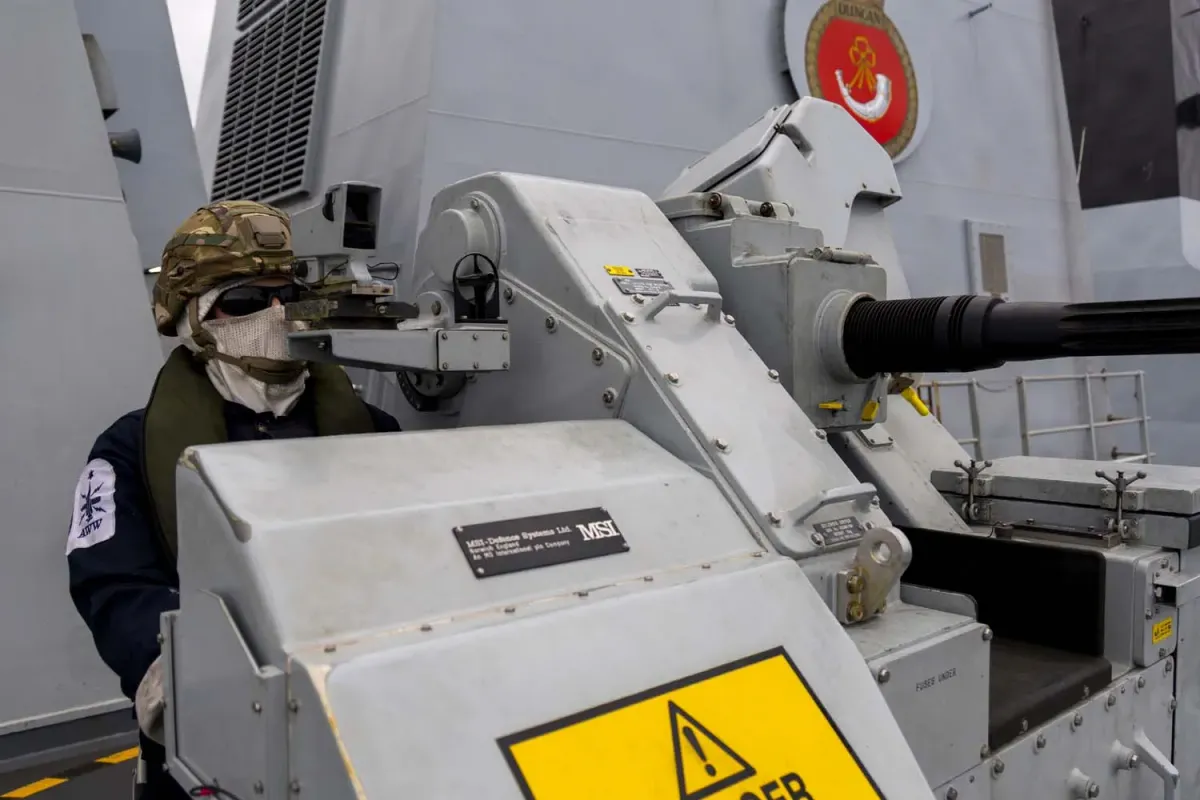
In a changing security environment, keeping the military ready for new threats is important. The recent Exercise Sharpshooter, run by the Royal Navy off the Welsh coast, put that to the test. Over a 72-hour period, the HMS Duncan, a Type 45 destroyer, ran scenarios designed to replicate complex aspects of modern warfare to test training for protecting national infrastructure.
HMS Duncan on the Move: How the Exercise Was Set Up
Held at the Aberporth Range in Cardigan Bay, Exercise Sharpshooter exposed the ship to a mix of drone and missile threats. The drill used live and simulated threats to test the capabilities of HMS Duncan and her crew. The Portsmouth-based destroyer, commanded by Commander Dan Lee, ran scenarios similar to those faced by HMS Diamond in the Red Sea during the 2024 incident involving hostile drone and missile attacks by Houthi forces.
Attack profiles were varied. The exercise included:
- swarming aerial drones
- simulated cruise missiles
- ballistic missile threats
Some drones, like QinetiQ’s Banshee Whirlwind, flew faster than 200 mph. Surface threats included Hammerhead uncrewed surface vessels reaching speeds of up to 50 mph. That mix kept the pace and complexity close to what the crew might encounter in operations.
Weapons and Countermeasures Used
The crew practiced defensive tactics using a range of weapons and systems. The ship’s loadout featured Martlet air-to-air missiles, Phalanx CIWS, and virtual engagements with the Sea Viper air defense system. The 4.5-inch naval gun, run by Petty Officer James Ings, fired more than 200 rounds during the drill. A 30mm medium-caliber gun and heavy machine guns added extra layers to the defense, while a Wildcat helicopter from 815 Naval Air Squadron helped identify and neutralize threats.
Petty Officer Ings commented on the gun work: “We put more than 200 rounds down it and did some proper naval gunfire support as well.” He also noted a few faults with the 30mm gun, but praised the engineers for getting it back into action quickly.
Handling Damage and High Readiness
The exercise combined external threat engagement with internal damage-control scenarios to assess how the crew managed multiple problems at once. Sailing on high-readiness “Defense Watches,” HMS Duncan’s team carried out layered-defense actions while dealing with simulated fires and other damage.
Commander Dan Lee summed up the run this way: “Sharpshooter was an invaluable opportunity to test our systems and our people in a demanding environment. I am immensely proud of how the team performed; their dedication ensures that HMS Duncan remains ready to fight and ready to protect.” The run tested systems and personnel under demanding conditions.
Working With Industry and Looking Ahead
The Royal Navy’s Fleet Operational Standards and Training teams ran the exercise with industry partners QinetiQ and Inzpire. Will Blamey, Chief Executive of UK Defence at QinetiQ, emphasized the value of mixing live and synthetic threats to evolve training: “We are proud to deliver dynamic, real-life scenarios that best-prepare our armed forces for the complex warfare challenges of today and tomorrow.”
Exercise Sharpshooter tested multiple defense layers and crew responses. The results point to the need for ongoing military readiness amid a changing threat environment.