Why Pick Succulents?
Succulents are easy to care for. They do well with basic attention: lots of direct light, infrequent watering, and minimal maintenance. Their shallow root systems make them suitable for small containers where other plants might struggle. Good species to try include Plover Eggs Plant, Lithops, many Echeverias, and Haworthias. Haworthias typically grow to around 3 inches wide, which makes them a good fit for petite planters.
Why Tuna Cans Work Great
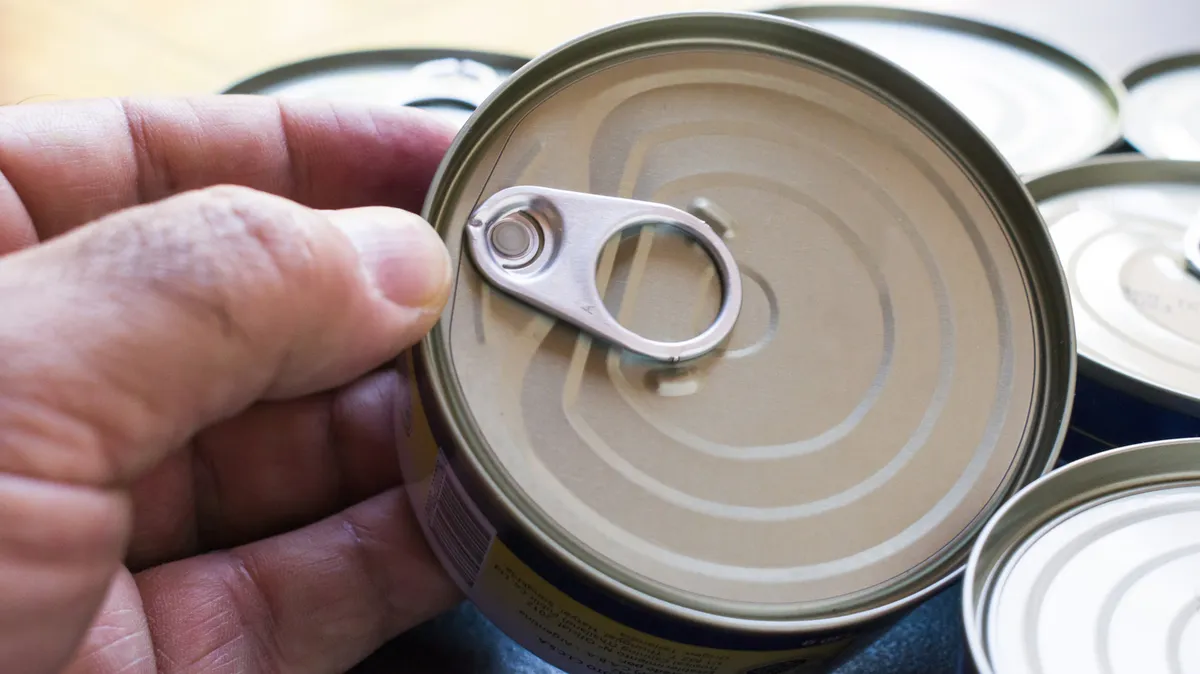
Tuna cans are a convenient size for housing succulents. They’re usually made from lightweight, durable materials like aluminum or tin, so they won’t chip or shatter like clay or glass pots can. Because they’re designed to preserve food, they’re sturdy and easy to clean, and repurposing them helps reduce consumer waste. Other shallow canned containers that work well are canned chicken, sardines, and pet food. They are practical, low-cost options and reduce waste compared with throwing them away.
Materials and Tools You’ll Need
Creating a succulent planter from a tuna can calls for a few basic supplies. You’ll need a clean, dry tuna can, well-draining potting soil, and decorative items like twine, ribbon, or washi tape. Extra pebbles can be used on top of the soil for decoration. For tools, grab a spoon for planting, a small hammer and nail to make drainage holes, and an adhesive like a glue gun or superglue to secure decorations.
How to Make Your Planter
Start by peeling off the sticker label completely from an empty tuna can. Wash the can in warm, soapy water to remove any residue or odor, then dry it thoroughly. Be careful of the sharp rim. Press it flat with a hammer or the back of a spoon to avoid cuts.
To give the plant proper drainage, carefully punch holes in the bottom using a hammer and nail. For a rustic look, wrap twine tightly around the can and seal the ends with superglue. If you prefer color, use ribbon or washi tape instead.
After decorating, fill the can with well-draining potting soil (you can buy this or mix your own). Use a spoon to transplant the succulent from its nursery container, handling it gently so you don’t damage the leaves. Nestle the plant into the new soil and top it with small pebbles for extra charm.
How to Care for Your Succulent Planter
Proper placement and watering will keep your succulent healthy. Follow care guidelines for the particular species and where you place the tuna can planter. Generally, place them where they receive direct sunlight and water sparingly. These plants do best with minimal watering, whether kept indoors or outdoors.
Turning a tuna can into a succulent planter can brighten your space and reduce waste. Growing these low-maintenance plants can also save money and lower environmental impact.