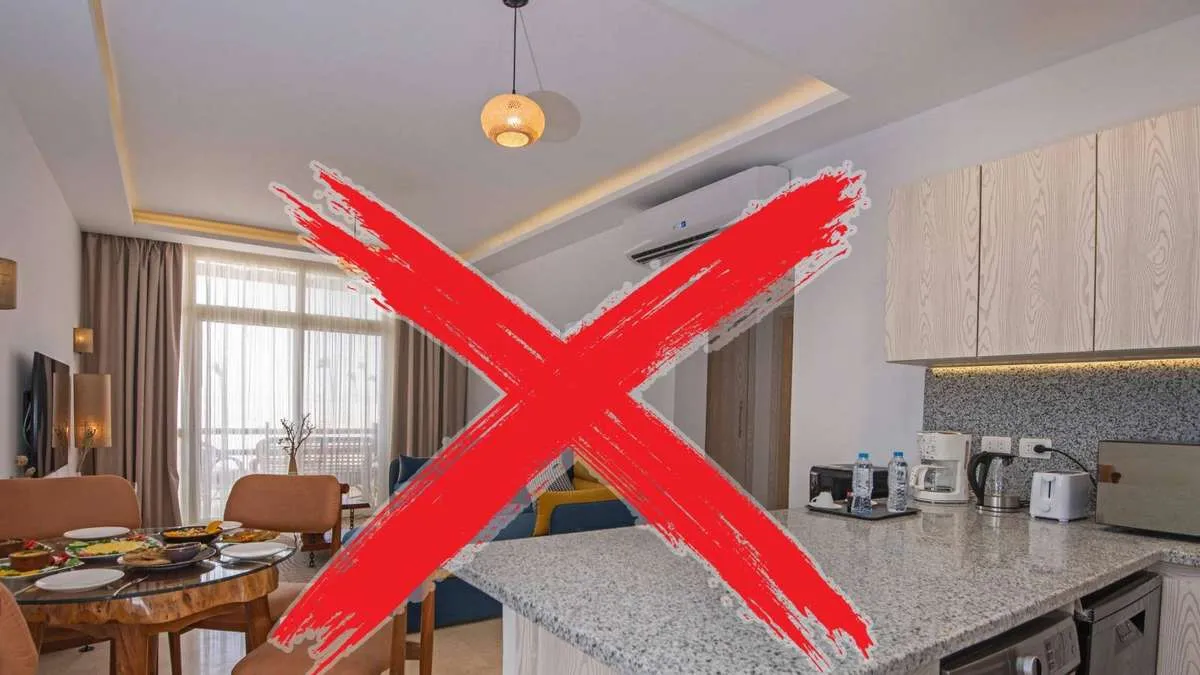
How Open Kitchens Rose, And Began to Fall
For decades, open kitchens were common in modern homes. They combined cooking, living, and socializing in one area. Interior design magazines often featured these layouts, showing how they blended function and style. Open kitchens aimed to create a communal space, with the kitchen visible from living areas.
That began to change during the COVID-19 pandemic. Millions of people were at home, using their residences as offices and classrooms. The drawbacks of open-plan living became clear: cooking noises interfered with work-from-home setups, and odors from cooking lingered on sofas, curtains, and other furnishings.
Practical Snags and Cultural Shifts
The pandemic accelerated the return to closed kitchens. Many homeowners and designers now prefer separate areas for cooking, working, and relaxing. The pandemic illustrated the value of these divisions, offering more privacy and clearer boundaries at home. Practical downsides of open kitchens, such as cooking fumes lingering on cushions and visible messes at the sink, led many to reconsider open-plan layouts.
At the same time, interest in “performative cooking”, showing meal prep to guests, has decreased. More people now want privacy and a functional workspace in the kitchen. The idea of the kitchen as an extension of the living room is less dominant; many prefer a dedicated cooking area that provides privacy and order.
Design Fixes and New Norms
Designers are using ways to balance openness and privacy. Hybrid layouts, half-walls and arches, create separate zones without fully closing off rooms. The “Broken Plan Living” concept, using shelves and glass walls to partially divide space, keeps homes flexible without permanent barriers. Pocket doors and sliding walls let residents close off the kitchen visually when desired, allowing both openness and solitude.
These changes are not only aesthetic; they address functional needs and make homes more usable day to day. People who cook regularly know how persistent cooking smells can be, so practical tweaks like placing sinks under kitchen windows for better ventilation and natural light have become more common.
Getting Ready for What Comes Next
The shift toward closed kitchens reflects changes in how people use their homes. As homeowners reconsider the purpose and function of living spaces, design is responding with options that emphasize function and privacy. The kitchen is evolving to offer more focused workspaces and separation when needed. New architectural solutions continue to appear, and the kitchen remains a space that can accommodate both established layouts and new approaches.