The brilliant trick to make white residue on your cooktop disappear
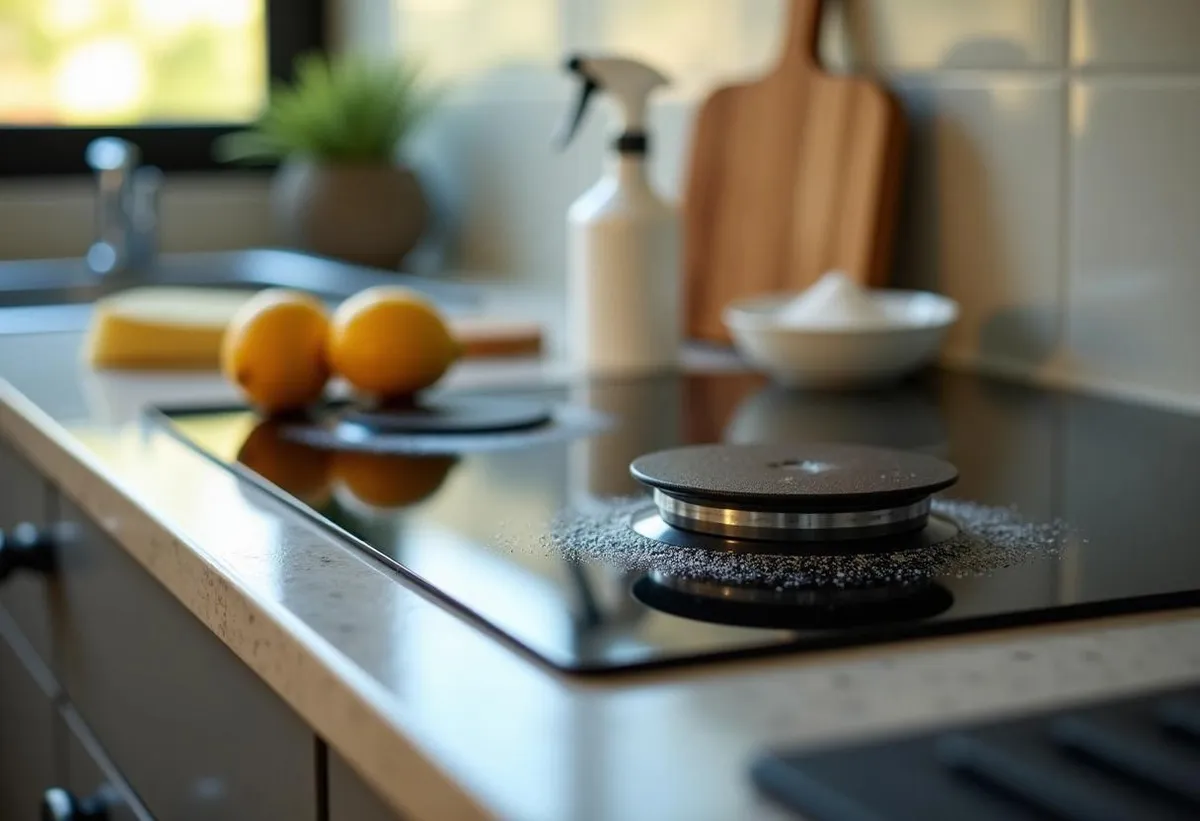
Induction and glass-ceramic cooktops are common because they look sleek and cook efficiently. They share a frequent issue: stubborn whitish rings. These marks result from everyday spills and residues and often won’t budge with normal scrubbing. Because they are common and persistent, finding cleaning methods that work is necessary to keep these cooktops looking and performing well.
Why These Surfaces Show Stains
The smooth finish on induction and glass-ceramic cooktops makes blemishes more visible. Those whitish rings can be persistent, and using the wrong cleaners can do more harm than good. Abrasive products can scratch or dull the surface, making it more likely to pick up new stains. Avoiding harsh abrasives helps protect both the cooktop and anything that comes in contact with food.
Go Natural: Lemon And Baking Soda
A simple, safe approach uses everyday household items: lemon and baking soda. This combo is inexpensive, easy, and more environmentally friendly. The acid in the lemon helps dissolve limescale, while baking soda provides gentle abrasion to lift away residues. Used carefully, this duo can remove those whitish rings without damaging the surface.
How To Clean With Lemon And Baking Soda
To use lemon and baking soda, follow these steps:
- Halve a lemon and rub one half directly over the stains on the cooktop.
- Sprinkle a small amount of baking soda over the moistened area.
- Allow the mixture to sit and penetrate the stains for 5 to 10 minutes.
- Gently scrub the surface using a non-scratch sponge.
- Rinse thoroughly with clean water.
Use this method with care to avoid damaging the surface.
When Stains Won’t Budge: White Clay Stone
If lemon and baking soda don’t do the trick, white clay stone (a natural cleaning product) is a good next step. It’s sold at many organic and specialty stores and can remove stubborn burnt-on residues with minimal effort. Use a slightly moist sponge with some white clay stone to tackle the toughest marks.
You can also make a homemade version using Marseille soap and baking soda. A DIY clay stone is economical, more environmentally friendly, and effective.
Keep It Clean: Maintenance And Prevention
The best way to deal with stubborn stains and limescale is to prevent them from forming. Simple habits go a long way: wipe up splatters quickly and give the cooktop a regular wipe-down after each cooking session. That prevents residue buildup and reduces the frequency of deep cleanings.
Environment And Cost Benefits
Using natural cleaners like lemon and baking soda reduces the need for harsh, often costly chemical cleaners, making them a budget-friendly choice. They are also safer for the cooktop and for items that touch food.
Picking the right tools matters too. A non-scratch sponge is recommended to avoid damaging the surface, and a final rinse with clean water helps keep the cooktop free of residue.
Using these natural cleaners and preventive steps keeps the cooktop clean and working well and reduces the use of harsh chemicals. A little care and a few simple ingredients are usually enough to manage stains and limescale.