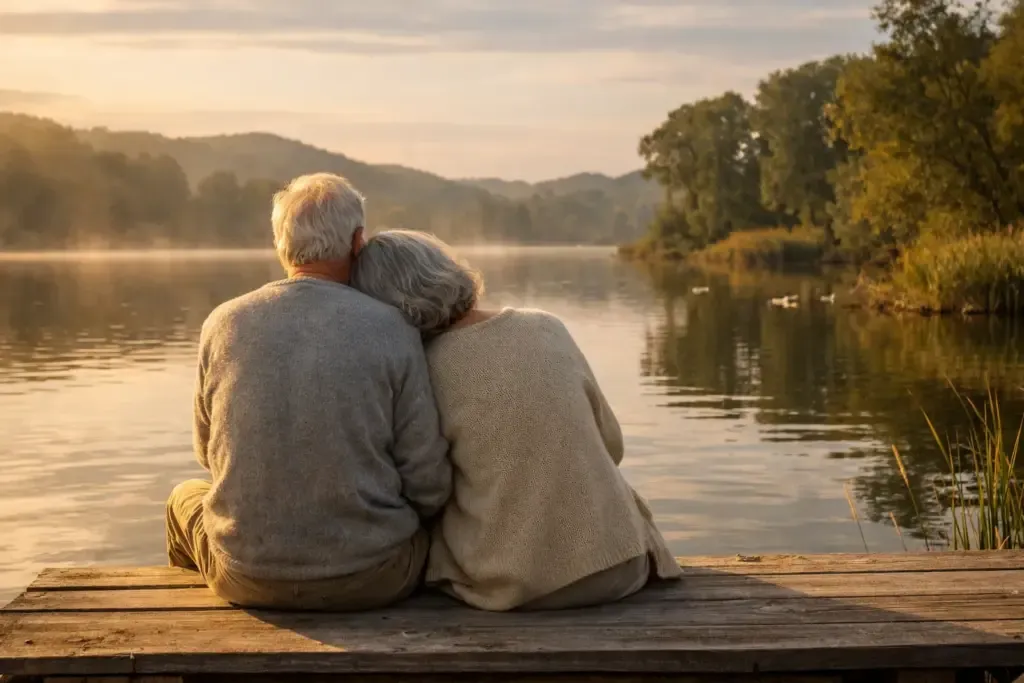
Why “Stay Active” Isn’t Always the Answer
Traditional advice stresses staying physically, mentally, and socially engaged, taking up hobbies, keeping a wide social circle, volunteering, and staying on the move. Those activities can support health and mobility, but being active isn’t the same as being happy.
Dr. Angela Roberts, a researcher in aging and happiness, points this out: “The happiest people over 70 are those who have come to terms with their aging process and no longer feel the need to meet external expectations.”
New Research: Inner Peace Matters More Than External Wins
Recent studies find that genuine happiness in your 70s and beyond is tied more to internal acceptance than to outside achievements. The research identifies self-acceptance, letting go of societal pressure, and enjoying simple pleasures as key factors.
Many older adults find joy in spending time with family and friends, maintaining good health, and reflecting without feeling they must prove their worth. Seeing aging as a natural part of life, not only a series of losses, helps create a calmer, more positive outlook.
Why Self-Acceptance Matters in Later Life
Modern psychology treats self-acceptance as an important concept, especially in later years. Accepting your aging body, mind, and life experiences without guilt or frustration brings emotional security and a sense of fulfillment.
When older adults drop the pressure to always be active or productive, they can focus on quality over quantity, in relationships and in activities.
Letting Go: Freedom to Slow Down
Shedding societal expectations and the urge to keep pushing for productivity often brings relief and a feeling of freedom. That shift lets seniors enjoy a slower, more relaxed pace and find happiness in deeper connections and small pleasures, such as quiet afternoons or time with loved ones.
How Gratitude and Perspective Help
Practicing gratitude and shifting perspective can boost contentment later in life, where small acts of kindness play a crucial role.
This attitude supports emotional steadiness and a genuine satisfaction with life as it is now.
Keeping Close Bonds That Matter
Strong, supportive relationships with family, friends, and loved ones play a major role in happiness after 70. Research shows it’s better to prioritize quality over quantity in social ties.
Deepening connections with a few close people—rather than trying to maintain a large network—brings fulfillment, emotional security, and reliable support.
Embracing a New You
Ultimately, happiness often comes from accepting a new version of yourself—one that values being over doing. Recognizing that worth isn’t tied to productivity or looks, but to your experiences and your ability to enjoy life, becomes more important with age.
Understanding these findings can help people prepare for later life. The perspective encourages older adults to explore inner peace and appreciate life’s everyday authenticity, suggesting that happiness is less about chasing goals and more about accepting and enjoying what is, which may require new strategies.