Study finds that those most content after 70 aren’t the ones chasing usefulness or relevance, but those who’ve accepted a self that feels worthy without needing to prove anything
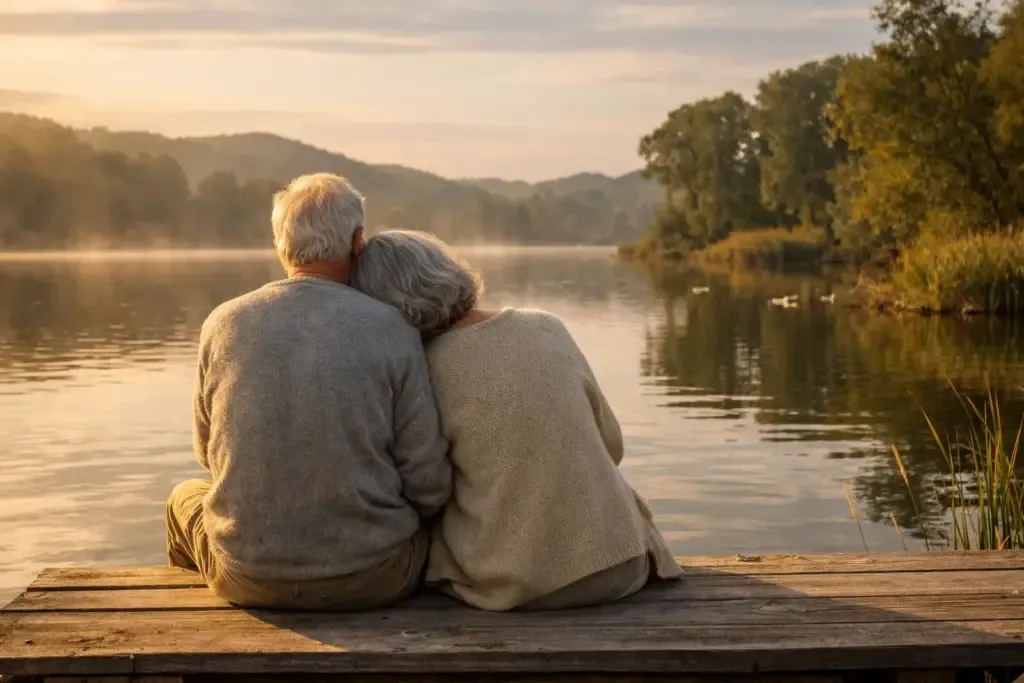
As people get older, the way they pursue happiness often changes. For many over 70, the usual advice to “stay active,” “stay useful,” or “stay relevant” isn’t always the solution, as deep engagement can lead to higher satisfaction. Recent studies suggest the most satisfied seniors are those who have accepted themselves and stopped feeling they must prove their worth to others.
The Myth of Always Being Busy
We often assume that staying happy in later life means constant physical, mental, and social engagement. That’s why you hear encouragement to pick up new hobbies, volunteer, or widen your social circle, the idea being these things will boost health and mobility.
But being on the go all the time doesn’t guarantee happiness. For some older adults, nonstop activity can cause stress and anxiety. As pressure builds to stay engaged and productive, chasing constant busyness can feel more exhausting than rewarding, especially when dealing with unstructured time.
New Research: Inner Peace Beats Outer Achievement
Recent studies are challenging the idea that constant activity and outside approval equal happiness as we age. Dr. Angela Roberts, a researcher in aging and happiness, points out that the most joyful seniors are the ones who’ve made peace with themselves and don’t feel the need to prove their value. “The happiest people over 70,” she notes, “are those who have come to terms with their aging process and no longer feel the need to meet external expectations. They’re comfortable with who they are, and that brings them a sense of peace and contentment.”
Letting go of the pressure to remain active, useful, or successful can open the door to deeper personal satisfaction. This differs from older views that encouraged people to act as if they had to stay “young” in mind and body to be happy.
Why Self-Acceptance Matters
After decades of aiming for society’s standards, many older adults find relief in accepting themselves. When they stop measuring worth by what they accomplish, they often feel a newfound freedom, avoiding retirement depression. Accepting and embracing aging bodies, minds, and life stories—without guilt or frustration—can lead to higher happiness and wellbeing.
Accepting aging doesn’t mean doing nothing. It’s more about moving away from defining yourself by productivity or looks and toward appreciating the richness of your experiences and the ability to enjoy life now.
The Power of Letting Go
A large part of inner peace comes from dropping the constant need to be productive or prove you’re useful. For many, giving up those pressures brings relief and freedom. Many retirees report that after they let go, they enjoy reflecting, relaxing, and pursuing hobbies without guilt or having to justify their choices.
That freedom helps seniors savor life, do things for pure enjoyment, and often increases joy and fulfillment in later years.
Gratitude and a Wider Perspective
Cultivating gratitude is another key to happiness after 70. When seniors focus on what’s already present in their lives rather than what’s missing, their outlook tends to improve. People who practice gratitude, not just for good times but also for life’s challenges, generally maintain a more positive view.
Those small blessings include spending quality time with family, maintaining good health, or simply enjoying the tranquility of a quiet afternoon. Choosing gratitude over chasing outside approval helps older adults find a form of happiness that doesn’t depend on what they do.
The Value of Close Relationships
Strong, supportive ties with family, friends, and loved ones also play a significant role in later-life happiness. As people age, they often prefer quality over quantity—fewer but deeper connections rather than a long list of acquaintances. Those close bonds provide the emotional security needed to age with grace and a positive outlook.
Becoming a New Version of Yourself
Ultimately, the path to happiness after 70 is about redefining yourself around inner peace instead of outside expectations. Staying physically and mentally active can help, but the route to contentment often comes from self-acceptance, letting go, and focusing on gratitude. Happiness in these years tends to come less from doing more and more from simply being, at ease with yourself and your place in the world.
In this chapter of life, the most content people aren’t necessarily the ones chasing productivity or approval. They’ve embraced a calmer way of living, find joy in everyday moments, and recognize happiness as something to accept and appreciate.