Study finds people over 70 feel happiest not by staying busy or important, but by accepting a self that’s enough just as it is
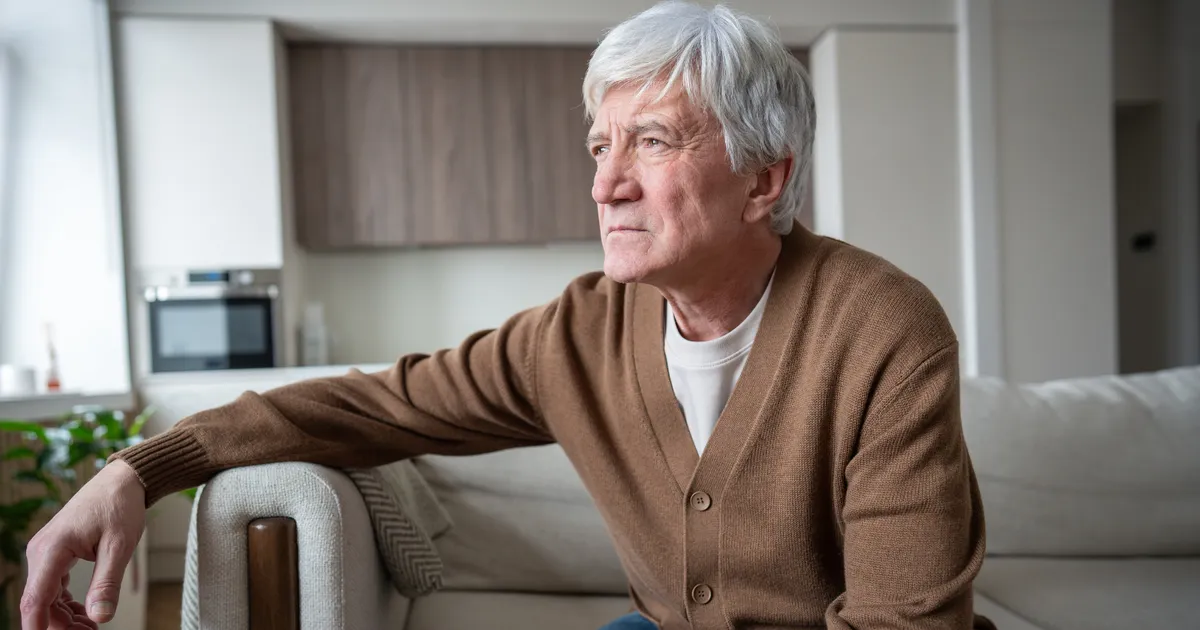
As people head into their seventies and beyond, many ask what makes later life happy. Recent research suggests it is not about staying constantly active, relevant, or productive. Instead, happiness often comes from accepting yourself and adapting to the changes aging brings, emphasizing self-worth and acceptance. Letting go of social pressure and prioritizing personal contentment can improve well-being.
Finding Self-Acceptance Later in Life
Looking back on life often prompts big changes. The narrator remembers that losing their father a few years ago pushed them into deep reflection about who they wanted to be. They left corporate work in their mid-thirties and started a personal consultancy; a health scare and a divorce shifted their outlook along the way.
Their father, who worked long hours in a factory outside Manchester and was active with the union, showed a quiet kind of strength that became clearer over time. He did not chase a late-life reinvention; he accepted his situation with a calm “stillness” that came from not needing to prove anything. Inspired by that, the narrator joined a five-a-side football group in their forties to find company that was not about work or the news, building community around shared interests instead of job titles.
What the Research Says
This pattern matches findings from several psychologists.
- Steve Taylor, writing for Psychology Today, argues that the happiest older adults are those who drop ambitions tied to external validation.
- Carol Ryff, the creator of the psychological well-being model, places self-acceptance at the center among the six dimensions of positive functioning (the model’s six parts describe different aspects of mental well-being).
- Laura Carstensen at Stanford developed socioemotional selectivity theory, which suggests that as people see time as more limited, they prioritize emotionally meaningful relationships over superficial obligations.
- Stephanie Harrison, author of New Happy, describes a U-shaped happiness curve: after a midlife dip, happiness tends to climb and peak past seventy.
Research from Yale University supports this. One study found that older adults with positive self-perceptions of aging live an average of 7.5 years longer than those with negative views. That difference was larger than the typical life-expectancy benefits associated with low blood pressure or cholesterol, quitting smoking, or exercising regularly, suggesting self-perception of aging relates strongly to longevity.
Simple Shifts You Can Make
Putting these ideas into practice means changing small daily habits and where you put your attention. Rather than worrying about social expectations or keeping a large circle of acquaintances, older adults often fare better when they narrow their focus to a few meaningful relationships, creating moments of deep engagement.
Examples of this lifestyle include enjoying walks without headphones, having conversations over tea, and noticing small natural details like light moving across a room. These moments encourage a present-focused mindset, replacing achievement-driven goals with small acts of kindness.
Changing How We Talk About Aging
In Western work culture, where worth is often measured by output and productivity, stepping away from that mindset can feel like a significant change. The “LinkedIn culture” of nonstop networking and staying relevant clashes with the quieter contentment of editing one’s life down to what really matters. Letting go of the battle against getting older can allow people to need less rather than do more.
This shift involves moving from the certainty and predictability often associated with youth toward more curiosity and acceptance in later years. The narrator found that being right mattered less than communicating in a way others could understand, and that actually meant more. That change supports a life defined less by outside approval and more by steady contentment and peace.
As society ages, adopting self-acceptance and emotional prioritization may be associated with longer and fuller lives. Facing life’s complexities instead of fighting them may be important for thriving after seventy.