How the Two Work Together
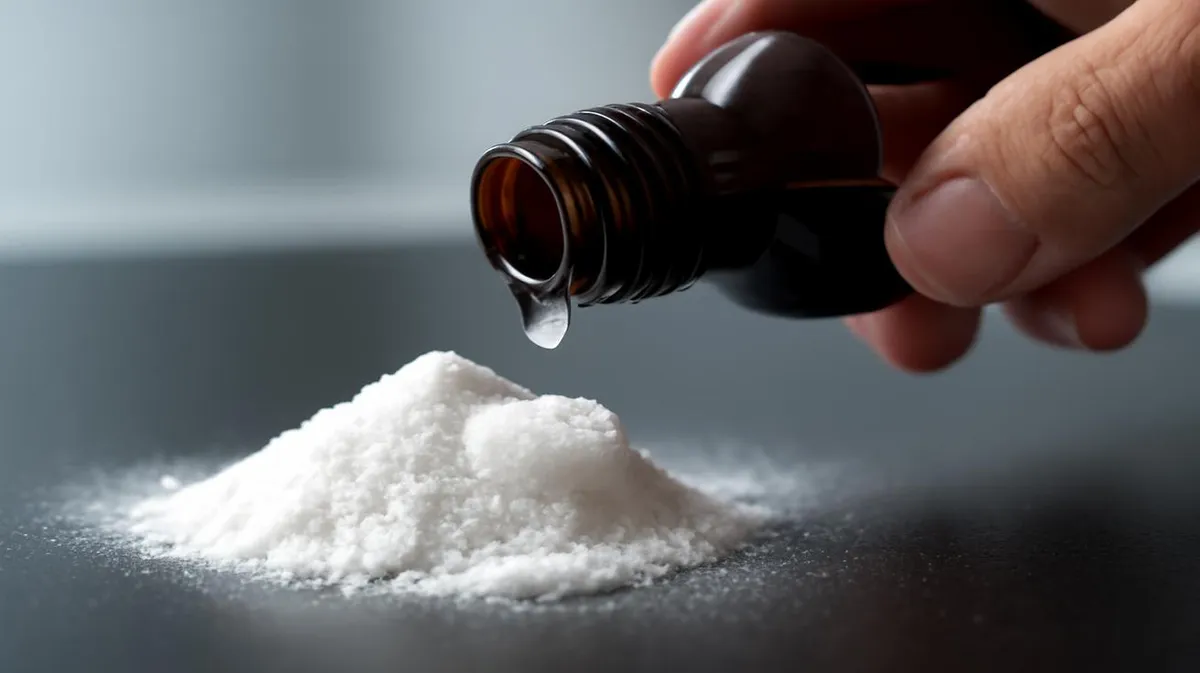
Baking soda (sodium bicarbonate) and hydrogen peroxide (a clear liquid that looks like water but carries an extra oxygen atom) produce straightforward chemistry. When hydrogen peroxide breaks down, it forms water and oxygen gas; the oxygen bubbles foam and hiss. That extra oxygen is reactive; it helps break apart stains, can damage bacterial cell walls, and can lift odors.
Mixed together, they form a grainy paste that foams and can feel slightly warm. The baking soda helps keep the peroxide from running off, so the mixture sticks to surfaces longer. Baking soda’s alkalinity and gentle abrasiveness pairs with hydrogen peroxide’s oxidizing power, which is why the combination often works better than either ingredient alone.
What It Feels Like and Why It’s Greener
The paste is thick enough to brush on, fizzing with a faint warmth. You may notice a clean, tangy hint from the peroxide and a faint saltiness from the baking soda. Unlike many commercial cleaners that add fragrances, dyes, surfactants, and preservatives, which can harm wastewater systems and aquatic life, baking soda and hydrogen peroxide break down into water and oxygen. They leave no synthetic perfumes or stubborn residues and generally pose fewer risks to indoor air quality. This aligns with green chemistry principles: reducing hazards, minimizing waste, and producing harmless byproducts.
How to Use It Around the House
In the kitchen, the combination works well on stained wooden cutting boards and tea- or coffee-stained mugs. A simple method: sprinkle baking soda on the surface, drizzle hydrogen peroxide, then scrub so the fizzing paste works into grooves and pores.
For laundry, a paste made of equal parts baking soda and 3% hydrogen peroxide (the common drugstore strength) can tackle sweat stains and odors, though you might need to repeat cycles for the best results.
Around bathrooms and on hard surfaces, the paste handles grout, silicone caulking, soap scum, hard-water mineral deposits, mildew, and more. Letting the paste sit can lighten grout and clean glass shower doors and toilet bowls effectively. It is not a hospital-grade disinfectant, but it does have noticeable antimicrobial action. Be careful with natural stone, unfinished wood, and some colored fabrics; those surfaces can be sensitive.
Health and Outdoor Uses
A pinch of baking soda with a drop of peroxide can help with dental care by gently polishing surface stains (but frequent use or stronger concentrations can cause irritation). Outdoors, used carefully, the mix is handy for cleaning garden tools and refreshing outdoor furniture. Don’t spray high concentrations into soil; avoid putting strong solutions where plants grow.
This combination is not a cure-all, but it is a lower-toxicity option for many household tasks. Researchers and product developers are exploring ways to harness that fizzing chemistry for higher-performance cleaning without the added ingredients found in many commercial products. As research continues into cleaning needs and the environmental impacts of traditional cleaners, the baking soda and hydrogen peroxide mix remains a practical, relatively low-toxicity option for many uses.