How Grease Builds Up
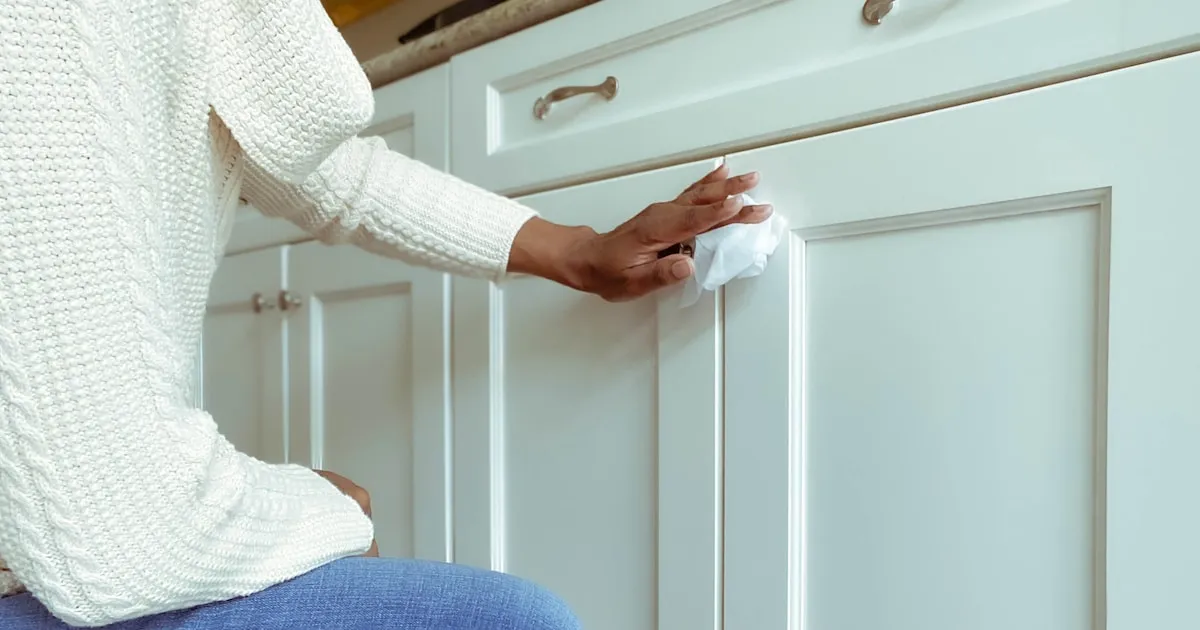
Kitchen cabinets attract grease, especially those closest to the stove. While you cook, tiny grease particles travel through the air and mix with dust, forming a tacky layer that clings to surfaces. Left untreated, that film can resist regular cleaners. Maintaining a steady cleaning routine helps prevent buildup. Cabinets near the stove are the hardest hit, as this is where the most grease is released.
Use Baking Soda to Remove Grease
A common home remedy is baking soda, also known as “Natron”, which is effective at tackling greasy residues. Mix it with water to make a paste: it’s simple and provides a mildly abrasive cleaner that loosens grease and grime. Rub the paste on with a soft sponge, let it sit briefly, then wipe it off with a damp cloth. For tougher grime, a small splash of dish soap boosts the degreasing power of the paste.
Other Easy Home Remedies
Baking soda works well, but there are other options. Vinegar mixed with warm water helps dissolve grease and adds an antibacterial effect (use carefully on delicate finishes, since vinegar is acidic). Lemon juice diluted with water also cuts grease and leaves a fresh scent. For heavy build-up, combine baking soda with dish soap for extra cleaning strength. Useful tools for these methods include:
- soft sponges
- damp and microfiber cloths (good for lint-free wiping)
- a thin layer of cooking oil after cleaning to help dirt resist sticking as easily in the future
How to Keep Grease From Coming Back
A few simple habits reduce future grease problems. Wiping cabinets right after cooking stops surface grime from setting in. Clean cabinets regularly with a damp microfiber cloth. After cleaning, a light coat of cooking oil can act as a temporary barrier that makes new dirt less likely to stick.
A Few Safety Notes
These remedies work well but should be used with care. Vinegar’s acidity can damage some sensitive surfaces, so use it selectively. Baking soda is generally safe, but its mild abrasiveness means you should be careful on delicate finishes. Test methods on a small, out-of-the-way area first to avoid accidental damage.
Understanding how grease builds up and using a few effective cleaning methods helps homeowners and tenants prevent and remove it. With the right approach and a bit of regular maintenance, cabinets stay cleaner and easier to maintain.