Tracing How Drug Resistance Emerged
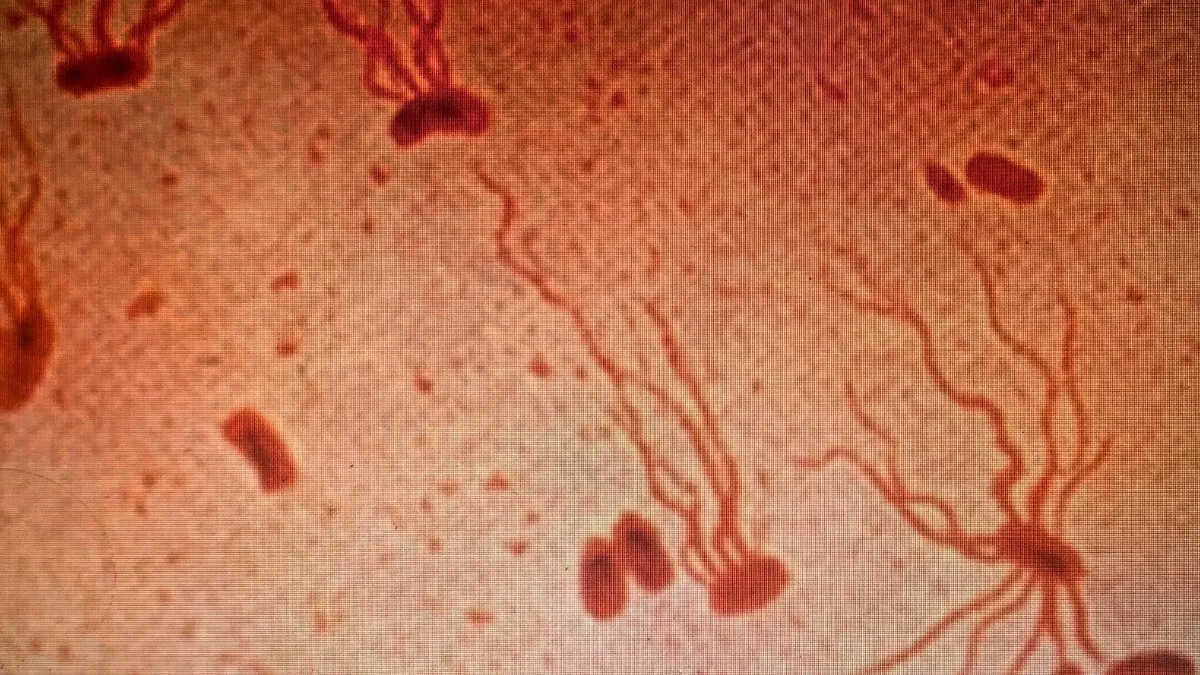
The 2022 study sequenced the genomes of 3,489S. Typhi strains collected between 2014 and 2019 from Nepal, Bangladesh, Pakistan, and India. The results show a clear rise in Extensively Drug-Resistant (XDR) Typhi, driven by mutations that make the bacterium resistant to key antibiotics and threaten oral treatment options.
Historically, frontline antibiotics like ampicillin, chloramphenicol, and trimethoprim/sulfamethoxazole have treated typhoid, but XDR Typhi strains are now resistant to those drugs. Resistance is also appearing against newer antibiotic classes such as fluoroquinolones and third-generation cephalosporins, and notably against macrolides like azithromycin.
Jason Andrews, a researcher at Stanford University, said, “The speed at which highly resistant strains of S. Typhi have emerged and spread in recent years is a real cause for concern, and highlights the need to urgently expand prevention measures, particularly in countries at greatest risk.”
How It’s Spreading Around the World
Since 1990, researchers have recorded nearly 200 instances of XDR strains spreading across borders. South Asia is the main hotspot, accounting for 70% of global typhoid cases, but resistant strains have also been found in Southeast Asia, East Africa, Southern Africa, and in high-income countries such as the United Kingdom, United States, and Canada. The first XDR Typhi strain was identified in Pakistan in 2016, and by 2019 it had become the dominant genotype in that region.
The study’s authors recommend expanding preventive measures, including wider use of typhoid conjugate vaccines in typhoid-endemic countries. If these resistant strains continue to spread, countries that currently have low levels of antibiotic resistance could face new risks. In many developed nations, typhoid is rarely treated as a major threat, but rising resistance patterns could change that.
Vaccination and Prevention Steps
Vaccination campaigns are a key part of the response. Pakistan was the first country to roll out routine typhoid immunization. The WHO had prequalified four typhoid conjugate vaccines as of April 2025. As the CDC reports, “These vaccines are being introduced into childhood immunization programs in typhoid-endemic countries.”
A 2021 study in India estimated that vaccinating urban children could cut typhoid cases and deaths by up to 36%. Still, broader global action is needed given the potential rise in XDR cases. Health experts are calling on countries to expand vaccine access and invest in developing new antibiotics.
Where We Go From Here
Antibiotic resistance has become one of the leading global causes of death, surpassing even HIV/AIDS and malaria. If prevention is slow or uneven, losing effective oral treatments could lead to higher morbidity and mortality. The COVID-19 pandemic showed how quickly health threats can cross borders in our interconnected world. As Jason Andrews put it, “We don’t have time to waste.”
Containing the spread of resistant S. Typhi strains and protecting existing treatments requires prompt action. Expanding vaccination efforts, along with progress in antibiotic research, will be central to limiting further spread and preserving treatment options. For nations everywhere, taking early and proactive measures is necessary.