Saying goodbye to your microwave and air fryer: the new kitchen gadget that truly does it all
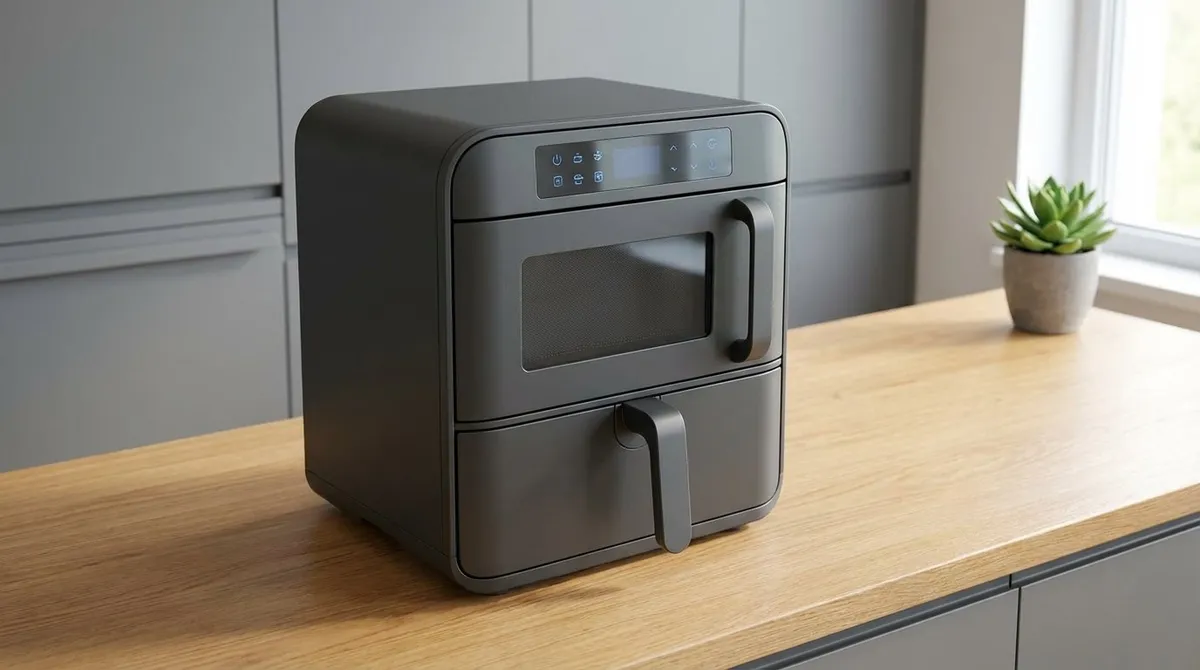
A new high-tech kitchen appliance may change everyday cooking and could make traditional microwaves and air fryers less common. Using advanced infrared technology, the appliance combines several cooking functions in one unit and aims to improve cooking quality and speed.
A New Take on How Food Heats Up
Instead of microwaves that excite water molecules or air fryers that circulate hot air, this next-gen appliance uses targeted infrared radiation to heat food from the inside out. That method is said to grill, bake, and reheat food faster and more evenly, producing a crispy exterior and a juicy interior. Revolution Cooking demonstrated it at the IFA trade fair in Berlin, attracting attention in German cities including Berlin, Hamburg, and Munich. It has drawn interest for use in urban kitchens where space and time are limited.
Anna Schmidt, a 34-year-old graphic designer from Berlin, put it this way: “I thought my Airfryer was the ultimate, but the idea of having a single device for everything that also delivers better results is incredible. My small kitchen space would thank me.”
Smarts and Sensors Behind the Scenes
The device’s performance comes from a combination of hardware and software. Built-in sensors detect food type, thickness, and moisture, allowing the unit to adjust power and cooking time on the fly so users don’t have to guess. Manufacturers say infrared heat is more even and penetrates better than hot air, producing faster and more precise results.
Compared with older appliances, makers list several benefits:
- microwaves heat fast but unevenly;
- air fryers can give better texture but take longer and can dry things out.
This infrared unit claims to reheat very quickly while preserving texture and flavor, produce grill-like browning, and deliver baking results close to a full-sized oven.
Energy Savings and What’s Coming to Market
Energy efficiency is a central part of the pitch: by heating the food directly instead of the whole cooking cavity, the appliance uses less energy than conventional ovens. With energy prices high in Germany, that could mean noticeable savings. Replacing several devices with one multifunctional unit could reduce kitchen electricity use.
Revolution Cooking is already selling internationally, and major German brands are expected to roll out similar models by 2026. Watch trade shows like IFA in Berlin for announcements. Initial prices for these premium models are between $432.00 and $864.00; manufacturers present the cost as a long-term investment that can replace two to three other appliances.
What to Think About Before You Buy
When deciding whether to buy one, check wattage, interior volume (for example, the ability to cook a whole chicken or a family-sized lasagna), and ease of controls. Smart features such as Wi‑Fi and app control are common, but the basic user experience should not be bogged down by complicated menus.
The appliance won’t duplicate every niche function of dedicated machines (microwave popcorn is one example), but it fits well with urban living by reducing countertop clutter and simplifying kitchen routines. Some marketing materials label it a “technological jewel” and emphasize speed, precision, and energy savings. As interest grows, the device may influence how people equip their kitchens.