Saying goodbye to walk-in showers: why every modern home is choosing this new alternative
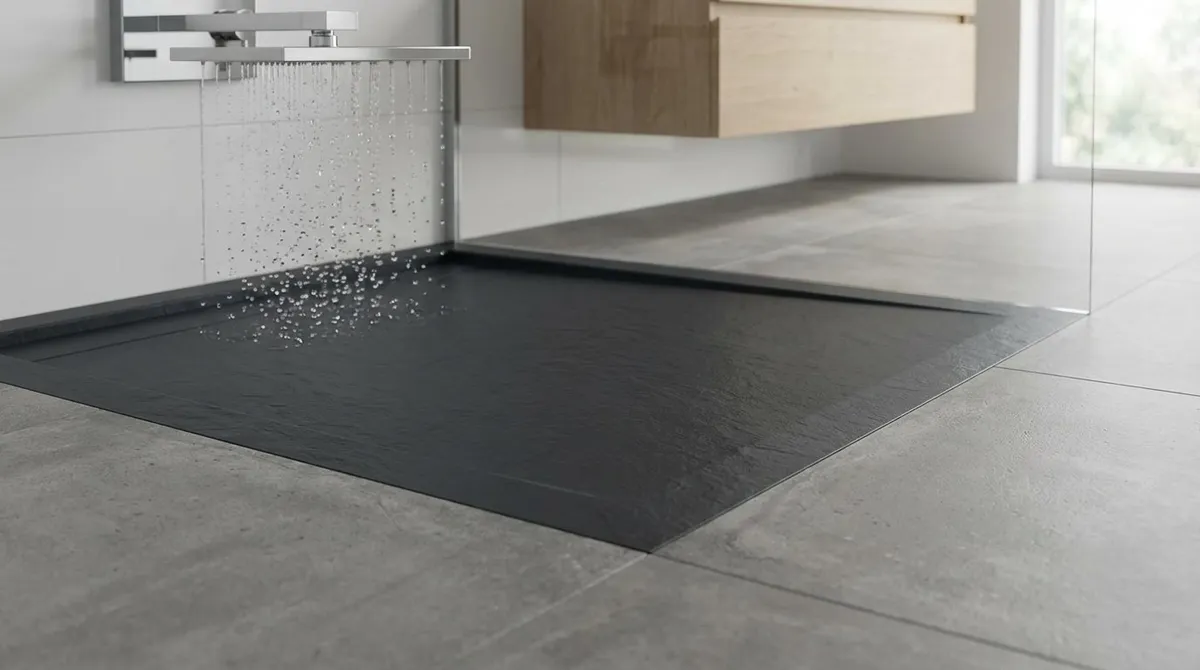
Bathroom design in Germany is shifting. As we approach the year 2026, ultrathin shower trays are becoming more common, offering an alternative to flush, floor-level tiled showers.
Tiled Showers: Where They Fall Short
Flush tiled showers were once associated with luxury and minimalist design, but many homeowners find them less practical. Beyond the clean look, these showers often require significant upkeep and raise concerns about leaks and hygiene. As Anna Schmidt, a 45-year-old architect from Berlin, puts it, “I thought my bathroom had come out of a magazine, but the constant worry about moisture and the tedious grout cleaning became a nightmare.” That reflects the everyday issues some users experience.
The core problem is construction. These showers require careful workmanship and are easy to install incorrectly. Hairline cracks in grout or poor waterproofing can cause water damage. The many grout joints also create places where mold and bacteria can grow, increasing maintenance and hygiene concerns.
Ultrathin Shower Trays: A Better Alternative
Ultrathin (or ultraflat) shower trays, sometimes called shower boards, address these issues. Instead of a tiled floor with many grout lines, they provide a single-piece, continuous surface that preserves a floor-level appearance while removing common weak points. Eliminating grout joints in the wet area reduces leak risk and simplifies cleaning.
These trays are made from materials such as mineral cast, steel enamel, and sanitary acrylic. Each material has trade-offs:
- Mineral cast feels warm and comes in various colors and textures;
- Steel enamel is very durable but feels cooler underfoot;
- Sanitary acrylic is lightweight, affordable, and easy to maintain.
Most ultrathin trays include an integrated slope for efficient drainage and can be installed nearly flush with surrounding flooring, maintaining a barrier-free look. Many also have slip-resistant surfaces to reduce the risk of falls in wet conditions.
Costs and Practical Considerations
Upfront costs can be higher, but the long-term financial picture often favors ultrathin trays. The cost range for conversion from a tiled shower to a shower tray in Germany is estimated between $2,750 and $7,700, and those expenses can be offset by lower maintenance bills and by avoiding expensive water-damage repairs. Homeowners should weigh material costs against long-term savings and consider the substrate condition, the shower area size, and regional labor rates before deciding.
Installation is usually less labor-intensive than for a tiled shower, which often requires multiple trades and complex waterproofing. Professional installation also helps ensure compliance with DIN 18040 (a German standard for barrier-free construction), supporting wheelchair accessibility and making the bathroom more usable for people of all ages.
Moving Toward More Sustainable Bathrooms
This trend aligns with broader moves in Germany toward sustainable, low-maintenance solutions, reflecting modern bathroom design. Bathrooms are increasingly treated as personal retreats rather than purely functional rooms. That perspective connects to financial incentives from KfW through programs like KfW Program 455-B (KfW is Germany’s state-owned development bank), which support renovations that consider barrier-free and sustainable design.
As more homeowners in Germany choose these options, ultrathin shower trays are becoming a common choice for modern bathrooms, balancing aesthetics, usability, and practicality. Whether the motivation is personal comfort, safety, or long-term value, opting for an ultrathin shower tray is a practical decision in current bathroom design.