Psychology explains how people raised in the ’60s and ’70s were impacted by these 7 childhood phrases
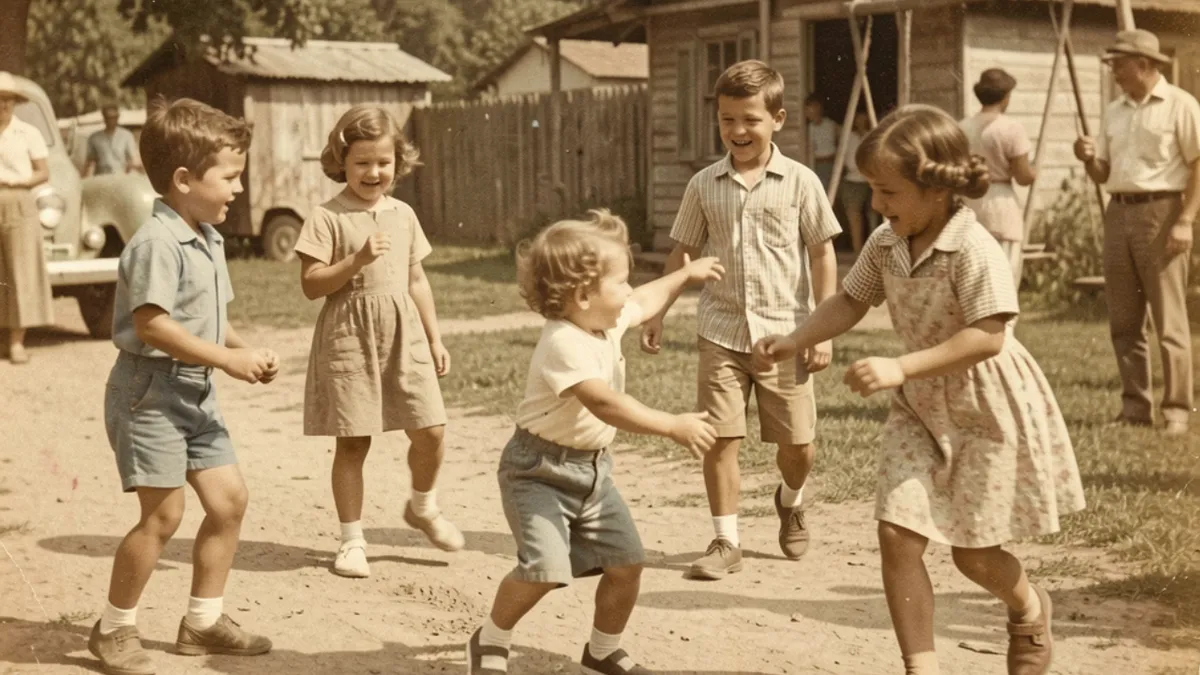
The 1960s and 1970s featured parenting styles that emphasized clear rules, less hovering, and few digital distractions. Millions of kids grew up absorbing lessons from that era that still shape how they behave as adults. Modern psychology evaluates these approaches, weighing their pros and cons and describing how those older norms influenced social behavior.
Raising Kids Without Screens
In the 1960s and 1970s, family life unfolded largely without screens. It was a time when raising children focused on family interaction and explicit instruction. “No screens” was basically the default (no smartphones, tablets, or constant internet). That limited digital distractions and encouraged children toward face-to-face socializing.
Parents used strict norms at the dinner table, where adults steered conversations and taught kids to listen and respect social order with the lesson “Children listen, don’t interrupt.” That firm style also came with the familiar line “Because I say so,” which made parental authority clear. While that didn’t encourage negotiation, it did instill a sense of order and responsibility for many kids. These methods can look dated now, since current parenting often favors more back-and-forth and mutual understanding.
Seven Lessons That Shaped Resilience and Responsibility
Parenting in the 1960s and 1970s aimed to build resilience and discipline through seven key lessons. One was “Life is not fair,” used to halt complaints and comparisons and teach children to face disappointments without getting stuck. Another was “Eat what’s there,” which discouraged pickiness at meals and encouraged adapting to less-than-ideal situations.
Financial common sense showed up in “Money doesn’t grow on trees,” a reminder that spending comes from effort, which helped raise generations aware of saving and work. Emotional control was taught bluntly with “Stop crying,” a push toward self-regulation (though modern viewpoints warn this could invalidate feelings).
Finally, the message “You are not special by default” pushed kids to earn recognition through effort, stressing individual responsibility and merit—an idea at odds with approaches that prioritized self-esteem.
A Balanced Look Back
Assessments from intergenerational research and contemporary psychology are mixed. The lessons from that era encouraged tolerance for frustration, discipline, and responsibility, and they helped people handle setbacks without relying solely on external validation. At the same time, some phrases are criticized for promoting emotional rigidity and limiting conversation. Modern psychology questions practices that invalidate feelings while avoiding a simple praise-or-blame judgment of past methods.
The debate raises questions about parental limits, authority, and how to balance emotional containment with psychological strength. As parenting shifts toward dialogue and emotional awareness, some lessons from the past remain useful.
The historical view of parenting in the 1960s and 1970s shows cultural change and how those principles continue to shape the present. Reviewing these lessons can help find a balanced approach that preserves resilience and discipline while incorporating greater empathy and conversation for current and future generations.