Why Lurkers Are Everywhere
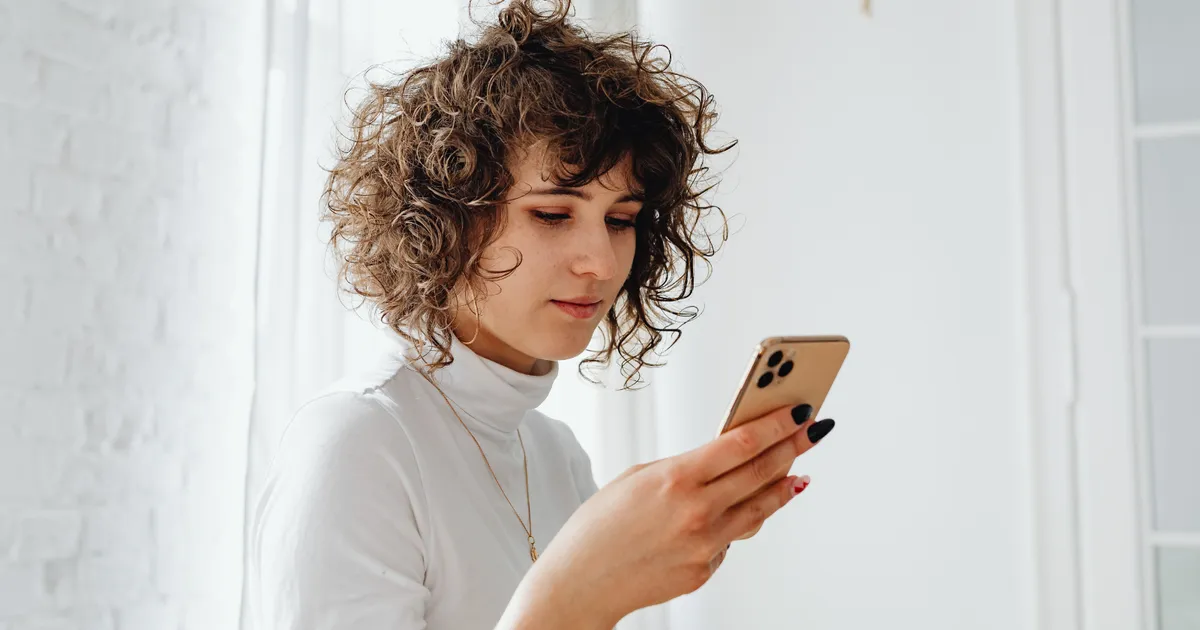
Recent studies show that as many as 90% of social media users fall into the “lurker” category. Research from Northeastern University defines lurkers as people who view content but don’t comment, share, or post, reflecting a preference for solitude. This group tends to value privacy and avoid the pressure of maintaining a public persona online. Northeastern University’s data scientist Anees Baqir led this study, providing detail on the habits of these quiet consumers. Although they form a majority, lurkers are often less visible than the smaller group that creates most content.
Social media culture often equates visibility and engagement with worth, so lurkers are sometimes labeled as disengaged or less valuable members of online communities. That view overlooks their role as careful observers and selective consumers of information.
Behavioral Insights and Personal Effects
A couple years ago, an author described a change in their social media habits, choosing to stop posting on most platforms. They still scroll, read, and keep up with stories and headlines, but they’ve “opted out of the performance” that comes with social media. That change led to an immediate improvement in how they felt about using these platforms, pointing to the emotional and mental costs of online self-presentation and personal transformation.
The author uses LinkedIn only for professional purposes while reducing activity on other attention-focused platforms, something many lurkers report. They keep the “information function” of social media and drop the “performance function,” which matches findings published in Frontiers in Psychology in 2024. That study shows lurking is often a deliberate choice driven by factors such as social media fatigue and privacy concerns.
What Passive Browsing Means
Lurking relates to Erving Goffman’s idea of “impression management,” introduced in 1959. His theory treats social interaction as a kind of performance, where people shape an idealized self for an audience. Social media amplifies that performance and can add mental and emotional strain, similar to how performative interactions can be exhausting. Lurking lets people avoid that strain and take a less visible role, simply observing.
Research from the University of Texas at Dallas examined lurking and mental health, particularly among college-age students. It found that passive browsing can trigger social comparison and fear of missing out (FOMO), both of which predict depressive symptoms. Data published in JAMA Network Open also showed measurable benefits from cutting back on social media: a 24% decrease in depression symptoms and a 16% reduction in anxiety after just a one-week reduction in use.
A Lurker’s Personal Take
Firsthand accounts from people who’ve switched to lurking are informative. After a “public perception crisis” when an article went viral for the wrong reasons, one author learned how costly digital participation can be. They link their worst mental health days to overuse of platforms like Slack and Twitter, so going quiet was a form of self-preservation.
The author still follows industry news, tracks respected voices, and uses social media for research. Their shift from a “stage to a library” describes a more deliberate way to be online, less about performing and more about learning.
In a digital environment that rewards visibility and activity, choosing to lurk can be a deliberate strategy that supports mental well-being and privacy. It also shows there are multiple ways people interact online, where silence can be as meaningful as a post.