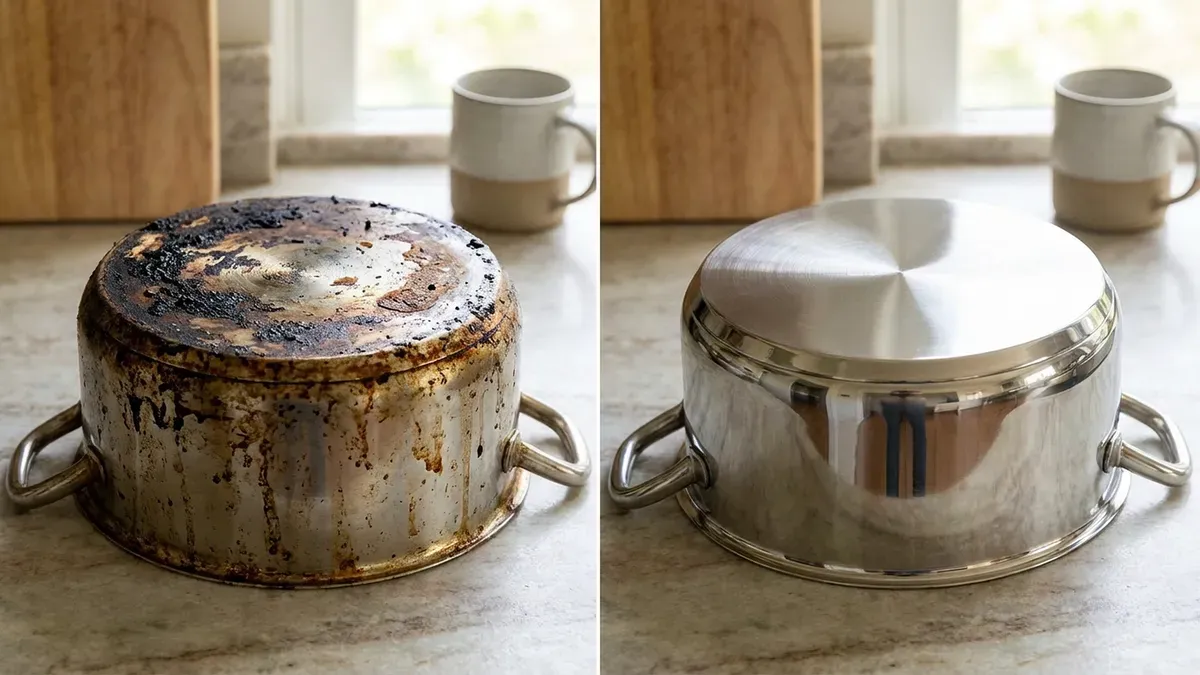
Why Cola Works for Cleaning
Cola’s acidity makes it effective as a cleaner. The main acidic ingredient is phosphoric acid, present at about 50, 70 mg per 3.4 oz (about 100 mL), and cola’s pH is typically around 2.9. In some cases the pH can be even lower, between 2.37, 2.39, which is acidic enough to help dissolve stubborn kitchen residues without using harsh commercial cleaners. Still, be careful: the acid can damage sensitive surfaces if left on too long.
How to Mix Your Cola Cleaner
You can make this cleaner with items you’ll find in supermarkets or drugstores across Germany. Here’s what you need:
- Cola: 6.76 fl oz supplies necessary acidity.
- Fine Salt: 1 tsp, gives a mild abrasive action.
- Dishwashing Liquid: 6.76 fl oz helps the mix stick and cuts grease.
- Water: 3.38 fl oz to dial down the acidity a bit.
Start by fully dissolving the salt in the cola. Add the dish soap, then the water to tone down the solution. Put the mix in a bottle and shake briefly before each use. This yields about 16.9 fl oz of cleaning solution.
How to Use Your Homemade Cola Cleaner
For greasy rims, baked-on splatters, or discolored spots on pots, pans, roasting pans, and baking sheets, apply the cola mixture generously to the area. Don’t let the solution dry out — add more if a spot seems to be drying. After a short soak, scrub gently with a soft sponge or brush (avoid harsh tools that can scratch). Rinse thoroughly afterward to remove any sticky cola residue, and dry your cookware.
Limit exposure times by material: for aluminum, keep it to ten minutes to avoid corrosion; stainless steel can usually tolerate up to twenty minutes. For delicate surfaces like enamel, test the solution on a hidden area first and rinse really well.
Tips and Things to Watch For
Cola can do a lot, but there are some important warnings. Don’t use this mixture on nonstick pans (such as those with PTFE coatings), since the salt and scrubbing can damage the coating. For nonstick cookware, stick to a gentle wash with warm water and dish soap. If a single soak doesn’t do the job, repeat the treatment briefly instead of leaving the solution on longer. You can also try a paste of baking soda or baking powder as a gentler alternative depending on the material.
This cola-based cleaning trick is an inexpensive household remedy that keeps you away from strong chemical smells and can make it easier to remove stubborn residues. Whether you’re in Berlin, Hamburg, Munich, or Cologne, try this method and see how it affects your cleanup routine. Cola can be both a beverage and a household cleaner.