Often Overlooked: How Frequently Should You Mop the Floor?
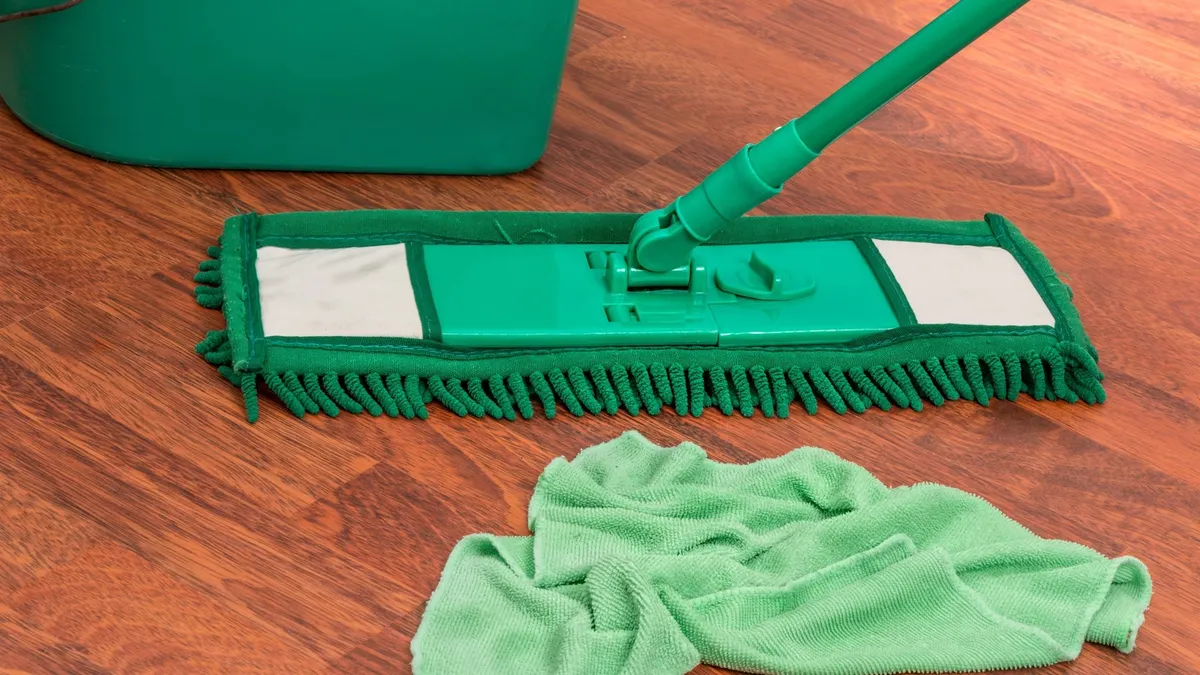
Keeping your home clean is part of healthy living, but one common question is how often you should mop. With work, kids, and other commitments, mopping can slip down the to-do list. Knowing when to mop matters for both appearance and hygiene.
How Often to Mop: What to Know
Dirt builds up every day. Footprints, pet hair, household dust, and stains all add up and can make floors look worn or unhygienic. With busy schedules, people often mop less than they should.
A good baseline is mopping once a week to keep most floors looking clean. That can change; sometimes you’ll want to mop twice a week, or every two weeks, depending on how dirty things get and on factors like the number of people in the house, pets, and which rooms get the most use.
How to Tell When Your Floor Needs Mopping
Look for signs that your floors need attention: a faded or worn look, visible dust and hair, sticky spots, or grout full of crumbs and stains. If you have allergies to dust or dust mites, symptoms may appear sooner, which is a sign to mop right away.
Things That Affect How Often You Should Mop
Start by judging how dirty your floors get. Factors include:
- Number of People in the Household: One person may find mopping every two weeks is fine, while a family with small kids will probably need to mop more often.
- Room Usage: Low-traffic rooms like bedrooms or pantries don’t need mopping as often as high-traffic spots like hallways, kitchens, and bathrooms.
- Pets: Homes with dogs or cats usually need mopping more than once a week because of pet hair, food traces, and paw prints.
Before you mop, vacuum or sweep to pick up coarse dirt (like pet hair) so you don’t just smear it around.
Mopping Tips for Different Floor Types
Different floors need different care:
- Tiles: Tile can handle water well, so you can mop thoroughly and often.
- Laminate: Low-maintenance but sensitive to too much water; use water sparingly.
- Parquet and Cork: Real wood floors need gentler care. Mop only lightly (mist-damp, meaning the mop is just slightly damp) because excess water can cause swelling and stains.
- Wood: Solid wood is particularly delicate; you may want to avoid water and use special cleaning products instead.
Choose Eco-Friendly Cleaners
Pick environmentally friendly cleaning products when you can. They’re better for the planet and reduce your exposure to harsh chemicals, which is healthier for everyone in the home.
Adopt a mopping routine based on how your household uses rooms, who lives there, and what your floors are made of. Assess what makes your floors get dirty, watch for the signs that it’s time to mop, and adjust your approach to match the floor type to keep your home cleaner and more inviting.