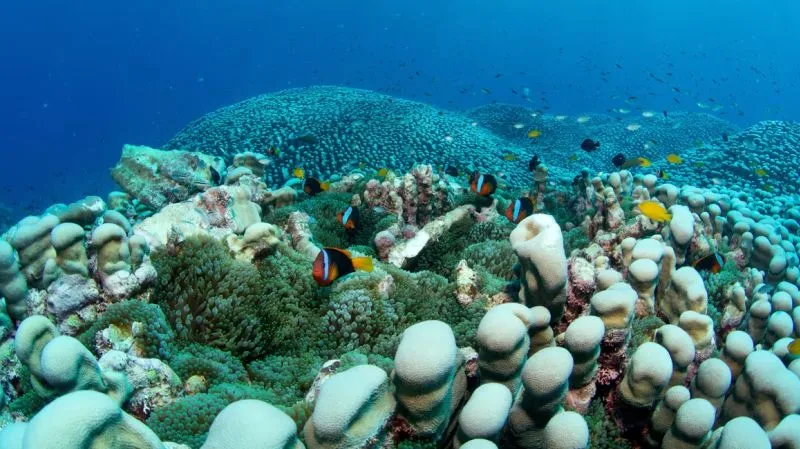
How they found an underwater giant
Late last year, Jan Pope, an experienced diver and underwater photographer, teamed up with her daughter Sophie, who is the coordinator of marine operations for Citizens of the Reef. A week earlier Sophie had noticed something unusual while exploring the reef and returned with Jan to document it.
They discovered a J-shaped coral formation of the species Pavona clavus, about 111 meters long (roughly the length of a soccer field) and covering 3,973 square meters. Citizens of the Reef calls it “the largest coral colony documented and mapped in the world.” Sophie filmed a three-minute swim across the structure, showing its scale and supporting calls for its protection.
How citizen science made it possible
The find was part of a wider effort by Citizens of the Reef. Their Great Reef Census involves over 100 vessels working together to document reef conditions, support research, and guide conservation work. Andy Ridley, the organization’s CEO, said the effort depends on public participation; thousands of volunteers around the world have taken part.
Using manual underwater measurements and high-resolution images, the team built a 3D model of the coral. Serena Mou, a research engineer at the Robotics Centre, Queensland University of Technology, said the model will let scientists compare changes over time, useful for tracking growth or damage. Citizens of the Reef has not released the coral’s exact coordinates to reduce risk.
Why this spot let the colony grow so large
Local environmental conditions appear to have helped the colony reach this size. The site experiences strong tidal currents but is less exposed to tropical cyclones, which may have supported long-term growth. Researchers are looking into whether those factors are necessary for the colony’s survival.
At the same time, the Great Barrier Reef, the world’s largest living structure, is facing severe threats from climate change. Recent mass bleaching events have left large areas pale and at risk, turning colorful reefs into white stretches. Since 2023, more than 80% of ocean reefs worldwide have been affected by bleaching, putting coral-dependent ecosystems in danger.
Why conservation work has to continue
Finds like this one show the need for ongoing conservation projects. Pete Mumby from the Marine Spatial Ecology Laboratory at the University of Queensland said programs like the Great Reef Census are important for identifying recovery zones within the reef and shaping protection strategies.
The discovery is a reminder that citizen participation can contribute to scientific knowledge, as Sophie and Jan demonstrated.