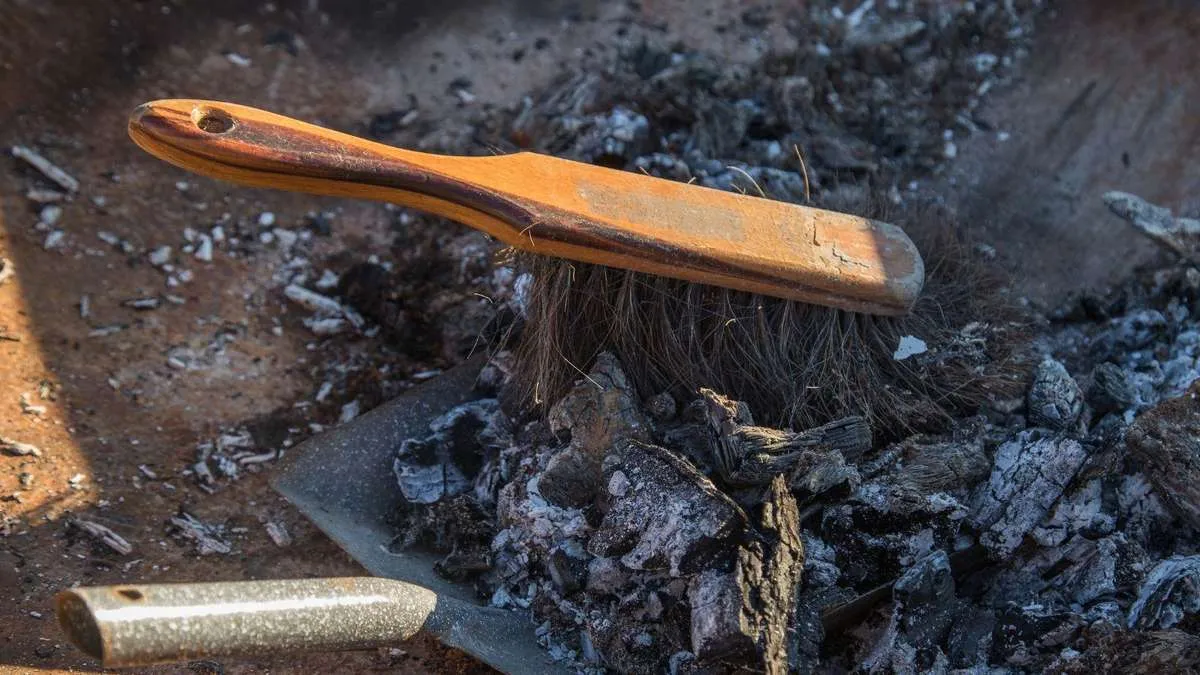
What’s in Wood Ash
Wood ash is alkaline, so it can raise soil pH toward neutral; useful for overly acidic soils. It’s also rich in potassium (K) and other minerals, offering a mineral boost compared with regular lime. Wood ash contains no nitrogen (N) (nitrogen is lost during burning), so it should be a targeted amendment, not a complete fertilizer. Its composition calls for careful application based on the soil’s needs.
Picking the Right Ash
Not all ash is safe for the garden. Use ash from untreated, natural wood, such as fireplace, campfire, or wood-burning stove ash: those sources keep the ash free of contaminants. Avoid ash from coal, charcoal, and treated woods such as painted or lacquered wood, wood pellets, chipboard, and other chemically treated materials. Those can concentrate heavy metals and pollutants that harm plants and soil.
How to Apply It (And Watch Out)
Apply ash carefully. Spread it thinly and evenly, and avoid letting it touch leaves or stems because it can cause leaf burn. Work the ash into the soil rather than leaving it on foliage. Patrícia Mirkovszki-Lénárt, a horticultural engineer, says to use ash “with care” and to base use on soil conditions, not convenience.
For strongly acidic soils, aim for about 200, 400 grams per square meter, repeated every 3, 4 years. Do a soil pH test before adding ash; too much liming can create problems. In soils that are only mildly acidic or near neutral, use much smaller amounts to keep pH balanced.
What Plants and Soils Like Ash
Consider the plants you grow before applying ash. Plants that prefer neutral or alkaline soil (called calcitolerant plants) usually tolerate ash. Acid-loving plants (called calcifuge plants), like rhododendrons, blueberries, and azaleas, will suffer if pH rises. Soil type matters: heavy, loamy, or clayey soils buffer pH changes better, while light, sandy soils are more prone to sudden pH increases.
Other Uses and Safety Notes
In small amounts, ash can be mixed into compost or used as a deterrent for slugs and snails (it forms a drying barrier pests avoid). Follow safe disposal rules. Regulations vary, so if you’re unsure, it’s safer to put ash in residual waste channels and check your local municipal policies.
Properly used, wood ash can be a useful garden amendment. By choosing the right ash and applying amounts that match your soil and plants, you can get the benefits while keeping your garden healthy. Remember, the usefulness of wood ash comes from informed, careful use, not just having it on hand.