What They Found and the Geology
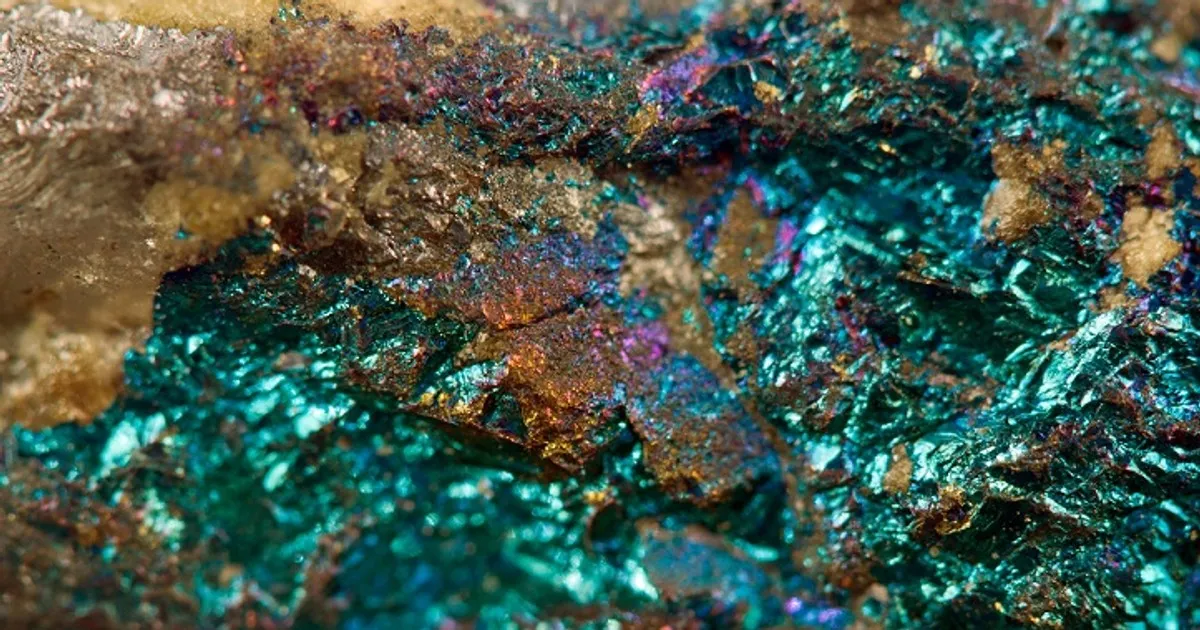
The discovery centers on the Gchwihaba Metals project. Tsodilo says the team uncovered a high-grade polymetallic system between 20 and 50 meters below the surface, containing a range of minerals. The explored targets, C26 and C27, show skarn-type mineralization (skarns form where intrusive rocks interact with carbonate rocks, often concentrating metals).
The deposits include all 15 rare earth elements listed on the U.S. Geological Survey’s 2025 Critical Minerals List, plus copper, cobalt, nickel, vanadium, and silver.
The deposit was first identified by geophysical techniques: ground magnetic surveys and gravity surveys revealed anomalies that were later followed up with diamond core drilling. According to Tsodilo, “The targets were originally identified as geophysical anomalies through ground magnetic and gravity surveys. Subsequent diamond core drilling has confirmed that these anomalies host skarn-type mineralization containing an extensive suite of minerals.”
Next Steps: Studies, Permits, and Local Engagement
Tsodilo plans to expand exploration to map the extent of the mineralization. Any move toward development will depend on further studies to demonstrate commercial viability. Future work will also require environmental assessments and regulatory approvals. Tsodilo has said it will work with local authorities and host communities as part of its due diligence.
If commercial extraction proves viable, the discovery could help Botswana diversify an export base long dominated by diamonds (in part due to its partnership with the De Beers Group). The Botswana Chamber of Mines notes growing interest in branching into base metals, coal, and critical minerals to attract foreign investment and reduce reliance on diamonds.
Why This Changes the Global Picture
Western governments are seeking to reduce dependence on Chinese-dominated rare earth processing, and China’s consolidation of that sector increases interest in alternate sources. The Botswana discovery could give Canada and Western partners a stronger position in securing reliable mineral supply chains.
Rare earth elements are used across modern industry: electric vehicles, wind turbines, battery storage systems, defense electronics, and telecoms infrastructure. As countries pursue energy transitions and industrial upgrades, demand for these materials is rising.
Why Botswana Is Well Positioned
Botswana has a long mining history and is regarded as one of Africa’s most mining-friendly jurisdictions. It offers infrastructure and a regulatory framework that are attractive to investors. If the Gchwihaba project reaches commercial production, it would strengthen Botswana’s role in clean energy, advanced manufacturing, and defense technology supply chains.
If developed, the project could contribute to Botswana’s economic diversification policy and affect global mineral supply dynamics.