A Laugh That Suddenly Stops
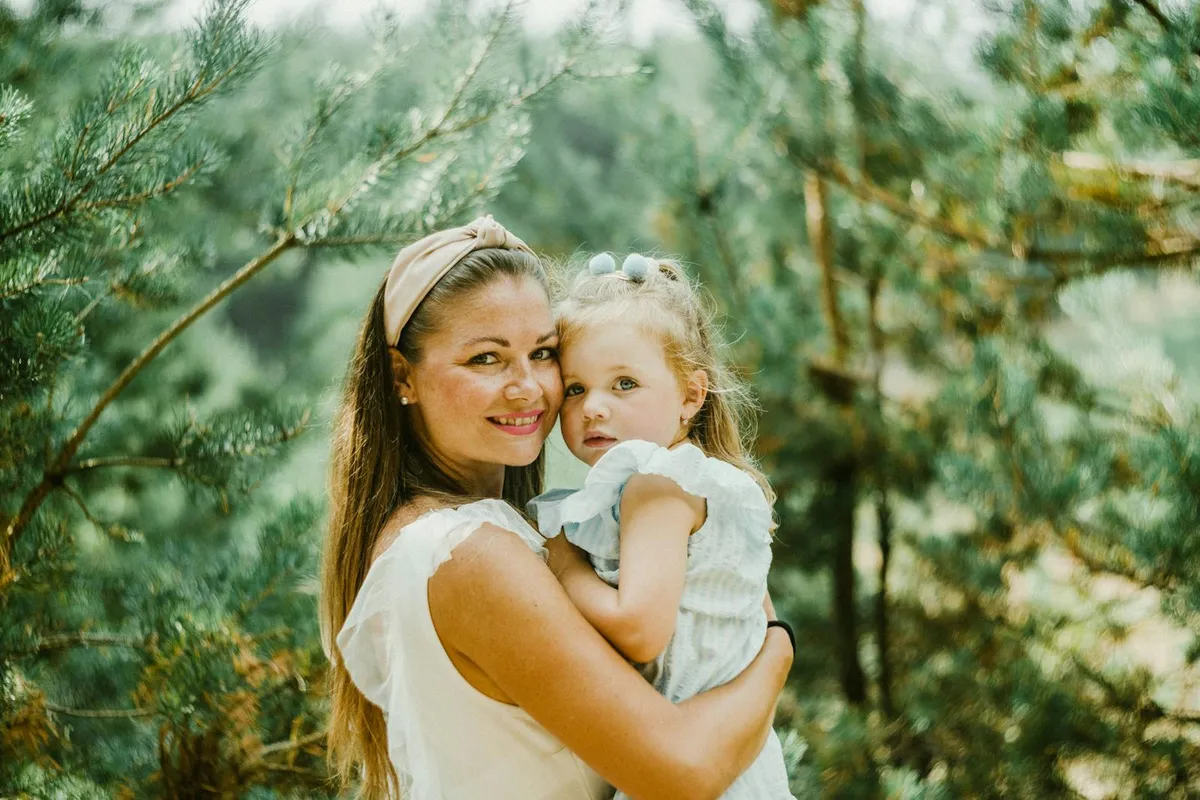
The scene is a cozy family moment: the narrator’s four-year-old daughter laughing out loud, her voice filling the room. The laugh is pure and unfiltered, like that of a small child or an adult who’s had a drink. What sets her off isn’t clear (maybe a silly object or the family dog sprawled in the sun like a “tiny furry sphinx”).
Then the girl stops and says, “Sorry for being loud,” highlighting a tendency towards compulsive apologizing. No one had told her to tone it down. That apology hits the narrator because it mirrors an old memory: at about six or seven, the narrator felt that same burst of energy and heard their father say, “You don’t need to be the center of attention.” The father’s voice wasn’t harsh; it was meant as a lesson in modesty and social rules.
How Old Lessons Hang On
These moments point to a broader pattern: parental guidance can either teach children healthy emotional skills or encourage a habit of holding themselves back. Developmental psychology notes that while learning to manage emotions is a normal part of growing up, children often pick up cues that push them toward emotional suppression instead of regulation. That balance, helping kids build emotional skills without squashing their natural expression, is a difficult part of parenting.
The narrator compares these learned responses to inherited “operating systems,” reflecting the emotional labor that often goes unrecognized. Traits like restraint and modesty may once have been survival strategies for earlier generations facing economic pressures and cultural expectations, yet those behaviors can persist long after they were needed, a kind of “half-life” for learned habits.
Tiny Signals Kids Notice
Children are quietly observant, almost like little “data scientists” reading the room, picking up on conditional attention cues. A raised eyebrow, warm attention when they’re calm but less warmth when they’re loud, those small reactions teach a child what wins affection and approval.
Those cues feed into what developmental psychologists call observational learning. Through coregulation (the give-and-take between caregiver and child), kids learn how to manage emotions over time. Without being told directly, they mimic what they see until the patterns feel automatic and hard to change.
Helping Kids Keep Their True Voice
The narrator wants to break the chain so their daughter can learn to tune her reactions while still feeling free to be herself. Saying, “You never have to be sorry for laughing,” counters that automatic apology for joy and helps make the home a place where loudness is welcome.
Parenting becomes an opportunity to rethink and change: what the narrator calls “its own kind of meditation retreat.” With careful, ongoing adjustments, parents can “uninstall” old programming and create spaces where children develop healthy self-regulation without erasing themselves.
Parenting, like life, keeps evolving. By recognizing the marks left by past generations while supporting present-day authenticity, parents can make more room for future generations, one laugh or apology at a time.