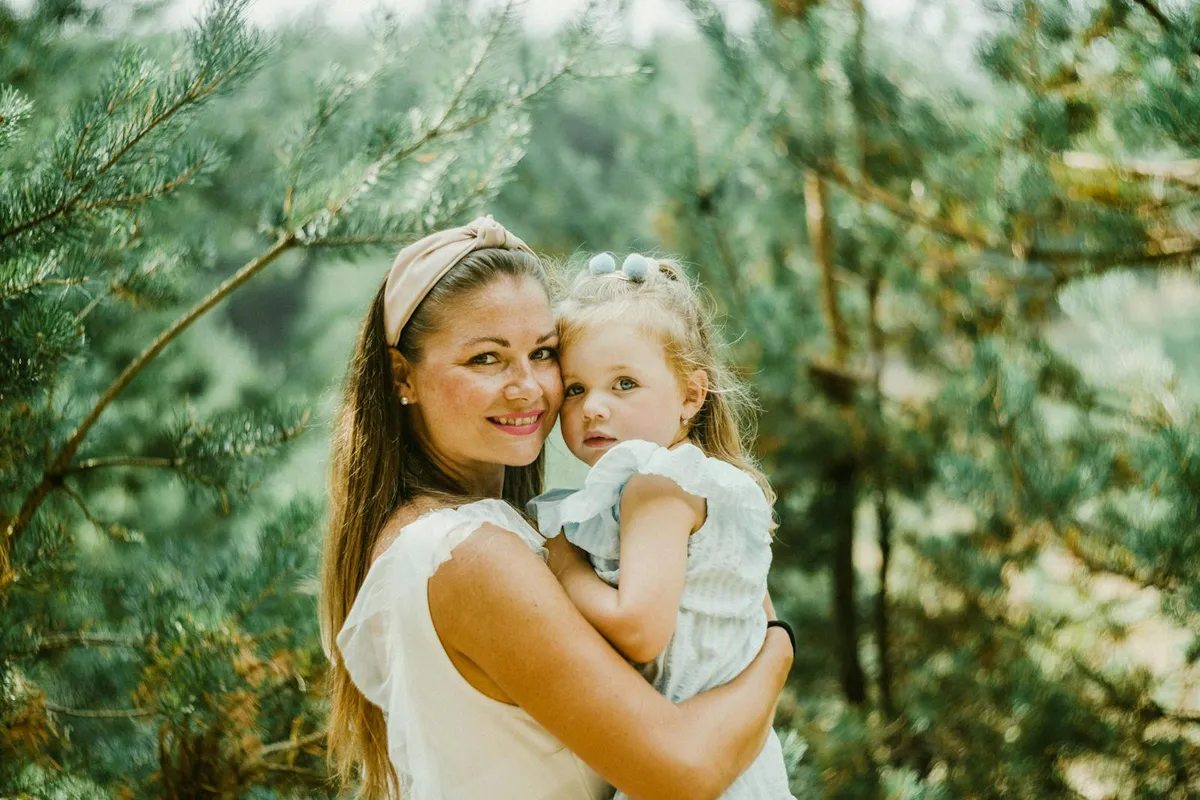
The scene opens with the narrator, a 37-year-old, watching their four-year-old daughter laugh at something as simple as a sock or the family dog sitting like a “tiny furry sphinx in a patch of sunlight.” The laugh stops when the child says, “Sorry for being loud.” No adult asked for that apology, yet the narrator answers with warmth: “You never have to be sorry for laughing.” Those brief exchanges show how subtle family cues influence how people present themselves, often rooted in conditional attention.
A line from the narrator’s father, “You don’t need to be the center of attention”, captures a lesson in modesty and restraint passed down from his mother and grandmother. That family pattern reflects concepts such as coregulation and observational learning, with children learning behaviors by observing caregivers.
How Family Patterns Stretch Across Generations
The piece describes how behaviors like holding back have been practiced and reinforced over three decades of life, reflecting parenting styles from the past. What begins as self-regulation can become emotional suppression, making it harder to be fully authentic. The narrator learned survival tactics from parental micro-signals—a raised eyebrow, a tightened jaw—small cues that signaled when emotions needed to be contained.
Children benefit from consistent caregiver interactions. They need ongoing examples of how to handle emotions to distinguish healthy self-regulation from premature self-censorship. Observational learning also shows that children absorb as much from what’s not said as from direct instruction.
Rewriting What We Inherit
Changing inherited behavior can be compared to updating installed software or removing outdated subroutines. Parenting patterns passed down through generations shape what children learn about which emotions are acceptable and how much space they can take up. With that in mind, the narrator treats parenting as a practice in noticing ingrained patterns or samskaras (mental impressions or grooves formed by repeated experiences).
Drawing on Buddhist-inspired ideas, shifting those imprints requires deliberate effort to create spaces where children are welcome as their whole selves, including noise. By telling their daughter she doesn’t need to apologize for laughing, the narrator begins to break a cycle of compulsive apologizing. The aim is to move from blanking out feelings to finding a balanced way to express them, so children don’t erase parts of themselves but can be authentic.
Parenting is an opportunity to change long-standing habits by noticing and updating how adults respond. As those internal systems are adjusted, the goal remains to accept children fully and teach them self-calibration rather than self-erasure. That approach supports healthier emotional growth and promotes acceptance in future generations.