How Optical Transmission Got Started and Grew
Submarine cable technology began as a way to carry telephone calls. Designed first for voice, optical transmission soon became the primary route for intercontinental digital traffic, often called “internet cables” even if that’s not the most technical term. Today they support high-speed data routes that are central to global communications.
A major milestone was TAT-8, the first transatlantic fiber-optic cable. Built by AT&T, British Telecom, and France Telecom, it started service on December 14, 1988. TAT-8 expanded transatlantic capacity and was in place during the fall of the Berlin Wall, the rise of the World Wide Web, and major political changes across Europe and the United States.
Keeping the Network Running and Upgrading It
The global submarine cable network depends on thousands of technicians, engineers, and crew members. They work out of sight to maintain aging infrastructure while adding modern technologies. As demand surged, TAT-8 quickly reached its capacity within 18 months, showing the need for new transoceanic routes. A technical fault in 2002 eventually took it out of service, and repairs were judged too costly to justify.
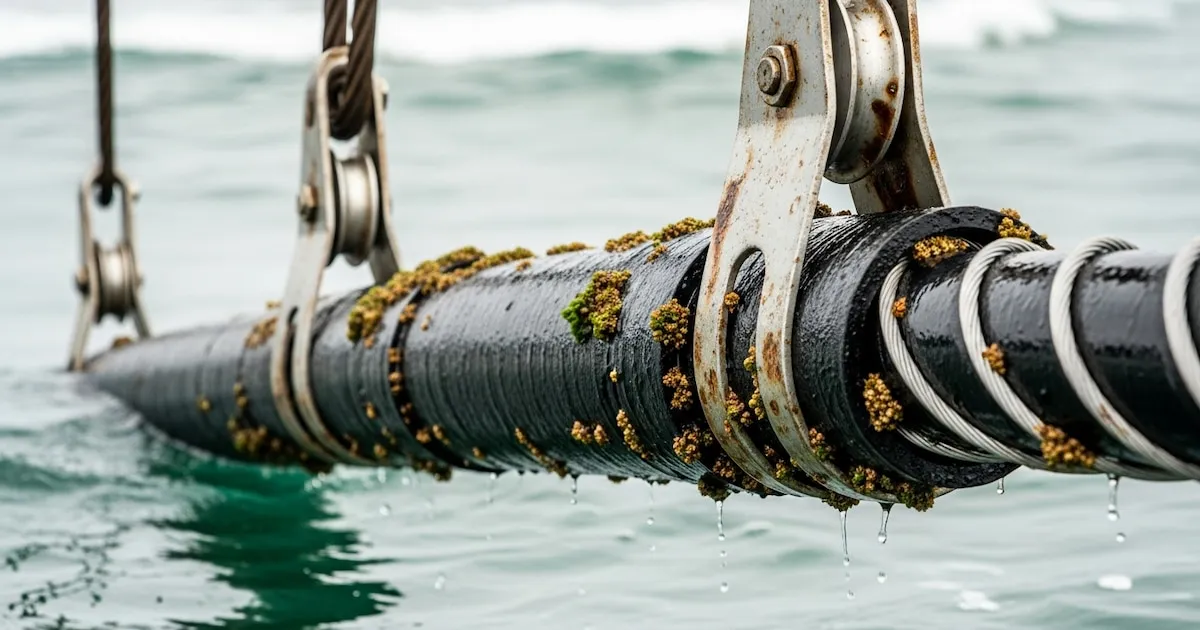
The recent project to remove TAT-8 from the seabed is part of managing obsolete systems. Led by Subsea Environmental Services, the operation aims to free up ocean floor space for new installs, handle outdated systems responsibly, and recover valuable materials through recycling. The vessel Maasvliet, powered by diesel-electric technology, is leading the extraction.
Extraction Techniques and Environmental Care
The extraction mixes older methods with modern equipment. Teams use detailed position lists to find the cable’s exact location, then deploy a specialized “flatfish” hook to the seabed. Once contact is made, careful “cutting runs” lift the cable to the surface without damage. According to the United Kingdom’s National Oceanography Centre, removing out-of-service cables causes minimal environmental disturbance. Larger disruptions come from anchoring gear and vessel movements, so crews work to avoid disturbing sensitive habitats.
What’s Next for Submarine Infrastructure
Removing TAT-8 shows the potential to recycle materials such as steel and high-purity copper, which can be reused across industries. Polyethylene is turned into pellets for making non-food plastic products, while optical fiber, though it has limited recycling value, remains strategically important.
As global communication needs grow, work on cables like TAT-8 shows how these systems support global data flows. Ongoing efforts to manage and update the underwater network point to continued work to sustain international communications.