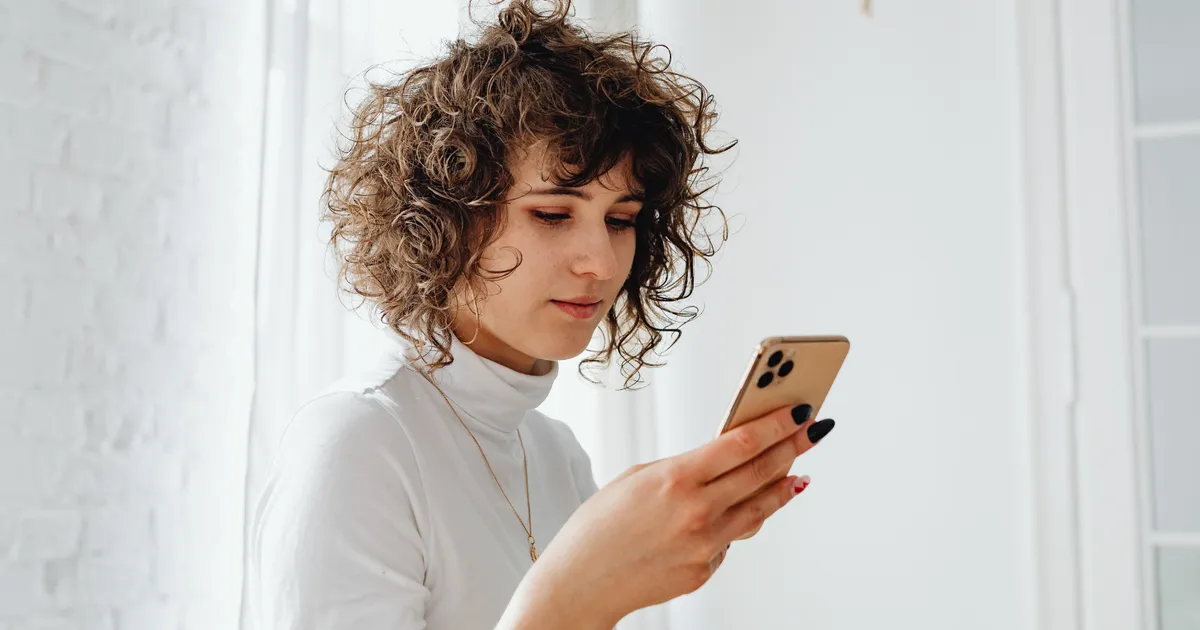
In recent years, there has been a shift in how people use social media. Research shows that as many as 90% of social media users are “lurkers.” That means they view content without any visible interaction: no commenting, sharing, or posting. They quietly observe, and that behavior may say more about their mental life than you’d expect.
Why Some People Stop Posting: A Personal Take
The unnamed author of this piece says they “quietly stopped posting on most platforms” about two years ago, which could reflect a preference for solitude. They still scroll, read, and click through stories, which illustrates a complicated relationship with social media. Early in their career they wrote an article that went viral “for the wrong reasons,” creating a public perception problem that relates to emotional vulnerability. That episode relates to Erving Goffman’s idea of “impression management” (the notion that social interactions can be performances), which maps onto how people present themselves on social platforms today.
The author also points to work-focused platforms like LinkedIn and Slack, calling LinkedIn a “performance of professionalism” where posts often feel engineered, which can be traced back to a performance-based upbringing. That highly curated self-presentation appears linked to mental health struggles; the author notes their “worst mental health days correlated with too much time in work Slack and Twitter.”
What Research Says About Lurking
Several studies examine lurking. Anees Baqir, a data scientist from Northeastern University, ran a study showing that even when lurkers don’t engage, the content they consume silently shapes their choices. A study from the University of Texas at Dallas looks at lurking in college-age students and connects passive browsing to social comparison and fear of missing out (FoMO), which can lead to depressive symptoms.
There is also a positive perspective. A 2024 study published in Front in Psychology finds that lurking can be driven by social media fatigue, a desire for privacy, and a wish to consume information efficiently without feeling like you have to perform. That matches the author’s experience: stepping back from posting felt like trading a stage for a library, a relief.
What Less Social Media Does to Your Mental Health
Research in JAMA Network Open found that even a short reduction in use produced measurable effects. The study reports a 24% decrease in depression symptoms and a 16% reduction in anxiety after just one week of reduced use. That aligns with the author’s observation of better well-being during stretches of minimal platform interaction.
Choosing to lurk instead of post isn’t just about manners online; it can be a deliberate move to protect your mental health and foster emotional independence.
Social media continues to change, as does its influence on mood and identity, emphasizing the importance of meaningful connections. Paying attention to online habits can help people decide how to balance connection with personal well-being.