How Emotional Labor Builds Up
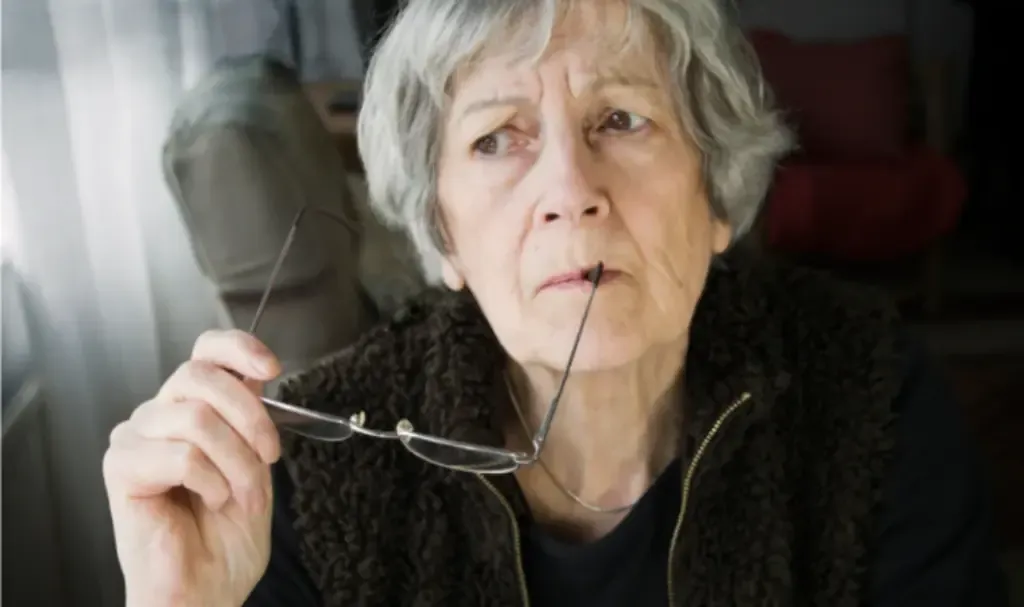
Over time, many people fall into roles as caregiver, listener, and problem-solver, responding to the emotional needs of friends, family, and coworkers. Those roles often form early, shaped by family patterns or social expectations. People can invest large amounts of energy, support, comfort, and advice, that is not always returned.
Continuous giving can lead to “compassion fatigue,” the feeling of being emotionally worn out, leaving a person drained and out of touch with their own needs. That pattern can become a habit, changing how someone interacts socially and making two-way relationships harder to form. Without a healthy mix of give and take, people can feel isolated even when surrounded by others, highlighting the need for mutual effort.
How It Affects Your Social Life
This dynamic can lead to isolation and the breakdown of fading friendships. When people are younger, friendships often center on shared activities and create a wide circle of acquaintances. As people age, friendships usually get more selective, with deeper connections taking priority over numbers.
Trust and vulnerability, both important for mutual friendships, become harder for people who have long put others’ needs first. That can produce emptiness and burnout and reduce the ability to trust or open up, making new friendships feel intimidating. The mental toll may also make someone avoid social situations they expect will be emotionally draining.
How to Set Emotional Boundaries
Recognizing and addressing your own emotional needs is important for rebuilding and maintaining rewarding relationships. That often starts with setting clear emotional boundaries so you can protect your well-being while still offering support to others. Learning to say “no” when you need to helps you prioritize your emotional health.
Self-care, time for reflection, and personal growth can boost emotional resilience. Look for relationships where support goes both ways and is based on mutual respect and understanding. Building friendships around shared values and interests, by joining groups or activities tied to your passions, can lead to new, more balanced connections. Friendships often require active maintenance, especially in later life.
Embracing Change and Rebuilding Friendships
People tend to become more selective with age, valuing emotionally meaningful relationships over quantity. Patience and openness give trust and emotional closeness time to develop. Rebuilding friendships at this stage means accepting that it’s okay to prioritize your emotional health and to receive support from others.
Viewing loneliness in your 60s through the lens of emotional labor shows how long-term giving shapes social life. By focusing on self-care and balancing emotional input and output, people can rekindle old ties and form new, meaningful friendships. Forming lasting relationships based on mutual respect and emotional balance helps improve social connections later in life. This can be an opportunity for personal growth and a deeper social circle.