9 Birds You’ll Regret Finding in Your Backyard
Backyard birding is a $5 billion-a-year hobby. Seeing and hearing different bird species can make your yard feel like a live nature show. But not every visitor is welcome. At House Digest, we look at the problematic side of certain species that can cause headaches for homeowners.
Blue Jays and Brown-Headed Cowbirds: Different Kinds of Trouble
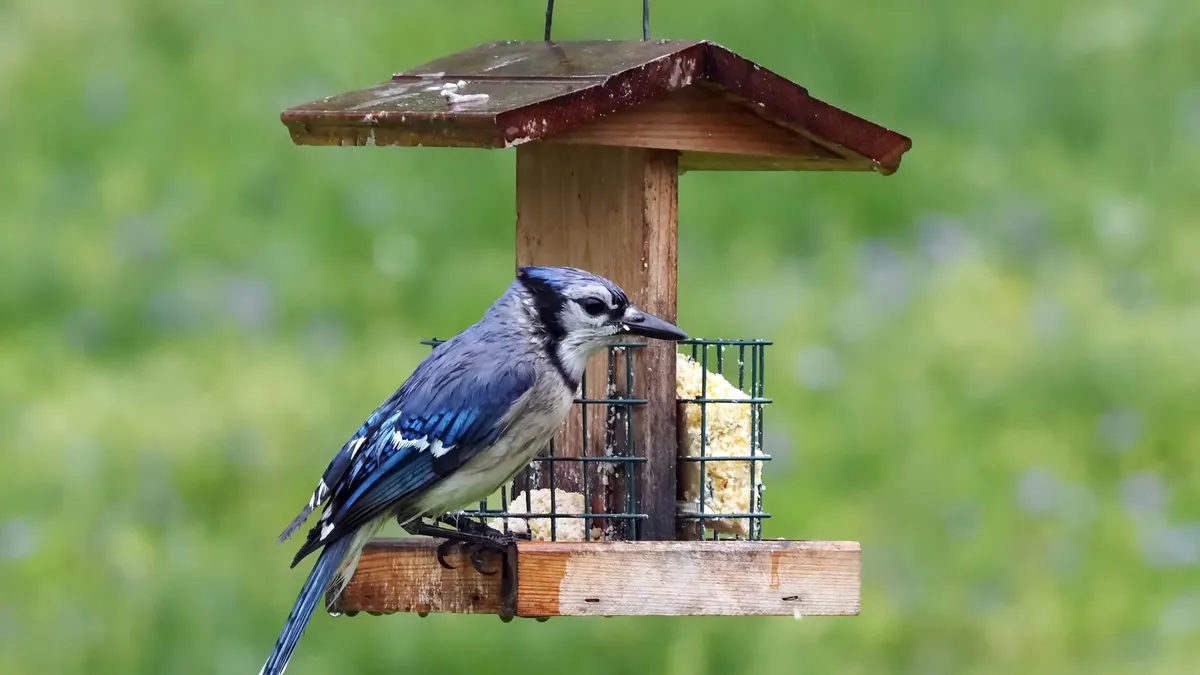
Blue jays, with their bright feathers, divide backyard birders. They have very loud calls and can be territorial, often intimidating smaller songbirds like chickadees and titmice. While they aren’t predators, blue jays are known to mob hawks and owls, which can make life harder for more vulnerable birds. To discourage them, try switching feeder seed to types jays don’t like (nyjer seed is a good option) and use owl decoys or reflective surfaces as deterrents.
Brown-headed cowbirds cause a different problem: brood parasitism. Female cowbirds lay eggs in other birds’ nests and leave the host parents to raise the chicks. Because cowbird nestlings are often larger and more aggressive, they can push out native species’ young. Responses include using tube feeders that limit access for bigger birds and reporting unusual nesting patterns to the Cornell Lab of Ornithology’s NestWatch (a citizen-science nesting-monitoring program).
Canada Geese and Common Grackles: Big Birds, Big Problems
Canada geese, known for their V-shaped flights, look picturesque in the sky but aren’t so pleasant when they settle in neighborhoods. Each bird can produce up to 4 pounds of feces per day, which can carry bacteria and parasites and pose health risks. Their grazing can also damage lawns. Away With Geese suggests using solar-powered amber lights to encourage geese to move away from areas used by people.
Common grackles, with iridescent feathers, often raid feeders and outcompete smaller songbirds. They’ll also damage garden produce: citrus, melons, tomatoes, peanuts, and more. Birding authors Kenn and Kimberly Kaufman recommend cage-style feeders that let smaller birds (like bluebirds) in but keep grackles out.
Cooper’s Hawks: Predators Adapting to Suburbs
Cooper’s hawks have moved into more suburban areas, shifting from forest hunting to taking advantage of busy backyard feeders. Stealthy and patient, they often go after smaller birds such as flickers and robins. One common response is temporarily taking down feeders to make your yard less attractive to these hawks.
When European Starlings and Gulls Take Over
European starlings, often described as “the most hated birds in America,” are found in every state. Their murmurations are impressive, but their huge numbers (sometimes at least 220 million) cause major problems for agriculture, costing up to $800 million a year. Starlings also outcompete native birds for nest sites, so people are advised to use birdhouses with smaller openings to keep starlings from moving in.
Gulls (often called “seagulls,” though that term is imprecise) don’t stay just on the coast; they’ll travel more than 50 miles inland looking for food. They can be noisy and cause property damage. Managing garbage and installing physical deterrents, like anti-bird spikes, can help reduce their presence.
House Sparrows and Pigeons: Small Birds, Big Nuisance
House sparrows, though small, can be destructive. They swarm feeders, push out native birds and tend to nest in messy, potentially hazardous spots. Secure vents and roofing against their nesting; checking and sealing entry points each fall can help keep them from returning in spring.
Pigeons, relatives of doves, still cause urban problems: slippery droppings and possible health concerns like Salmonellosis and Cryptococcosis. Deterrents such as sticky gels and anti-bird spikes are commonly used. Predators such as Cooper’s hawks also prey on pigeons, which has led to the nickname “rodents of the sky.”
These species illustrate the balance between enjoying wildlife and dealing with nuisances. By learning their habits and using targeted deterrents, homeowners can keep yards welcoming to birds while following ethical and legal wildlife-management practices. As species like starlings continue to expand, ongoing management will be needed to maintain that balance.