8 Add-Ins to Make Your Mop Water Leave Floors Smelling Fresh
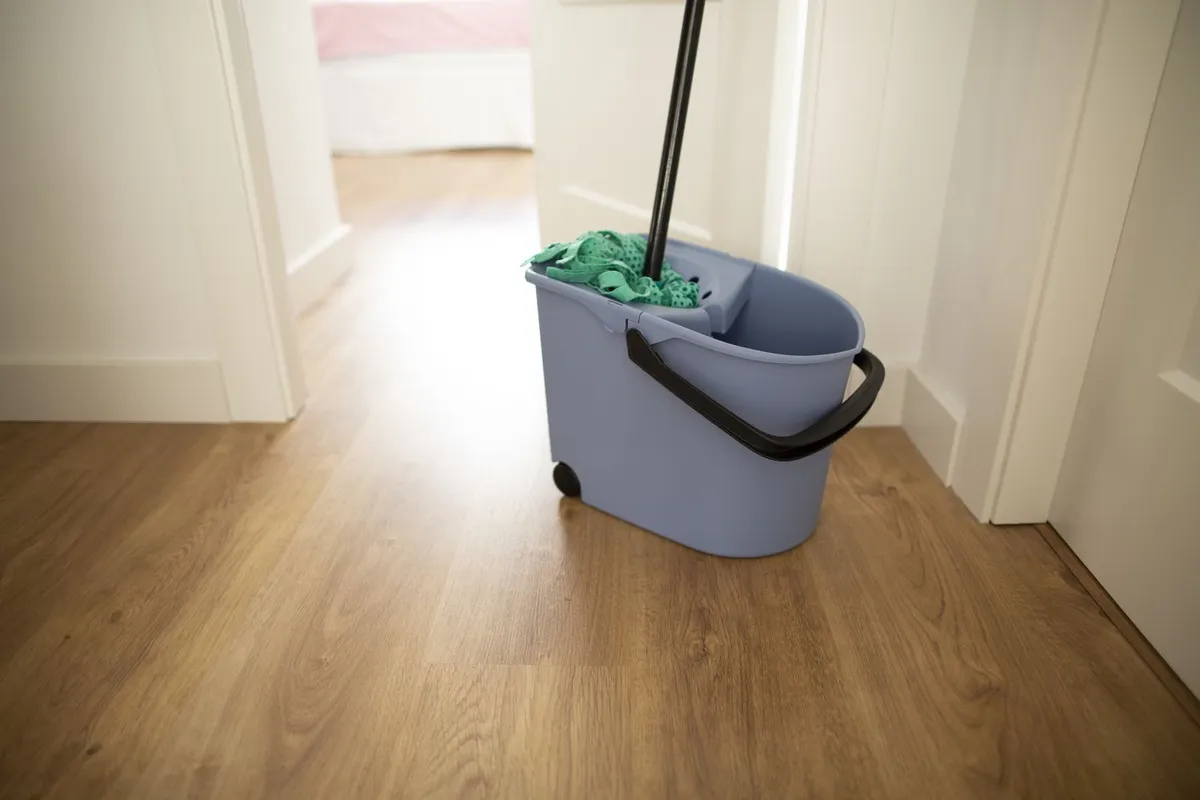
Mopping isn’t anyone’s favorite chore. Lugging a heavy bucket and bending over to scrub can be tiring. For many, though, the pleasant scent that hangs in the air after mopping makes it worth the effort, as one person put it, they love the “subtle scent that lingers in the air for a short period of time.” To boost that fresh-mop feeling, two cleaning professionals shared their top picks. Here are eight additives they recommend to get floors smelling fresher and make cleaning a bit more pleasant.
Aromatic Oils Elevate Your Cleaning Routine
Aromatic oils are a common choice for adding scent to mop water. Try lemon oil, tea tree oil, or lavender in the mop bucket to give your cleaning solution a scent upgrade. Used with 1/2 cup of baking soda and warm water, these oils can enhance cleaning. Lemon oil cuts through grease, tea tree oil has antibacterial and anti-fungal properties, and lavender leaves a calming scent (popular on tile).
Lemon Juice for Cleaner, Fresher Floors
Lemon juice brightens both scent and cleaning power. Add 1/4 cup of lemon juice to your mop water — the acidity helps break down grime and kills germs. It’s especially useful on tile and vinyl, where it tackles soap scum and hard water spots while leaving a zesty citrus smell.
Dish Soap: A Quick Fix
If you don’t have lemon juice or aromatic oils, dish soap is a reliable stand-in. Just 1-2 teaspoons per gallon will cut grease, lift dirt, and dissolve sticky residues. Scented dish soaps (green apple, berries) can fill your home with strong aromas, but use sparingly to avoid suds buildup or streaks, especially on glossy surfaces in high-traffic areas like the kitchen.
Baking Soda to Deodorize
Baking soda (sodium bicarbonate) is another go-to for mop water. Use about 2 tablespoons per gallon, or 1/2 cup when cleaning tile floors with warm water. Its alkaline nature helps clean and deodorize, lifting scuff marks and sticky bits. It’s especially handy in pet areas, entryways, and kitchens that tend to hold onto smells.
Eco-Friendly Options: Citrus Peels and Herbal Tea
If you prefer greener methods, reusing citrus peels and herbal tea works well. Boil leftover citrus peels and add the strained liquid to mop water — the natural oils cut grease and add a fruity scent. Or steep a few herbal tea bags (peppermint, chamomile, or green tea) and use that liquid in the mop water for mild antibacterial benefits and an earthy aroma.
White Distilled Vinegar: A Reliable Cleaner
A classic for a reason, white distilled vinegar performs well in mop water because of its acidity. Mix at a 1:10 ratio of vinegar to warm water to break down grime and mineral deposits while neutralizing odors. It’s versatile and safe to use in many areas of the home for a naturally clean result.
Castile Soap: A Gentler Choice
For a milder alternative to dish soap, Castile soap works without being harsh. Use only 1 teaspoon per bucket to help loosen tough stains, and add aromatic oils for extra scent if you like. It’s cost-effective and gets the job done without heavy detergents.
Commercial Cleaners When You Want Convenience
If you prefer ready-made options, a few drops of a commercial floor cleaner work well. These products deodorize and contain surfactants to break down dirt and oils, often leaving longer-lasting scents. Choose herbal or citrus-scented formulas for an extra burst of freshness.
These options, aromatic oils, lemon juice, baking soda, vinegar, and others, can help make your floors smell fresher after you mop. Each brings its own benefits, so you can pick the one that fits your routine and surfaces.